Books offer a way to explore sustainability beyond headlines and short-form content. They allow space to understand the systems behind environmental and social challenges, while also offering practical and philosophical perspectives on how change happens.
For readers interested in conscious living, ethical business, or environmental issues, the right book can help connect everyday choices with broader global systems.
This guide brings together a curated selection of sustainability books that explore topics such as food systems, climate change, economic models, design, and daily habits. Each offers a different entry point into understanding how we can move toward more sustainable ways of living.
Regenerative Systems and Food
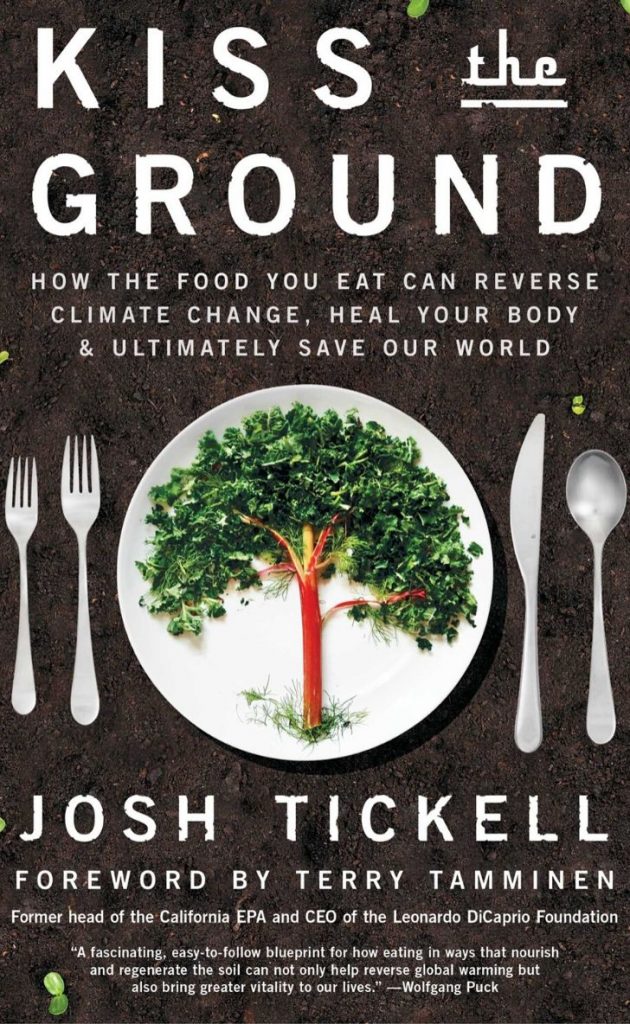
Kiss the Ground — Josh Tickell & Terry Tamminen
Kiss the Ground explores the role of soil health in addressing environmental challenges such as climate change, biodiversity loss, and food quality.
The book focuses on regenerative agriculture — an approach that aims to restore soil ecosystems while improving food production systems. Through insights from farmers, scientists, and practitioners, it highlights how land management practices can influence both environmental outcomes and human health.
Why it matters
It offers a perspective on how food systems and land use are closely connected to broader environmental challenges.
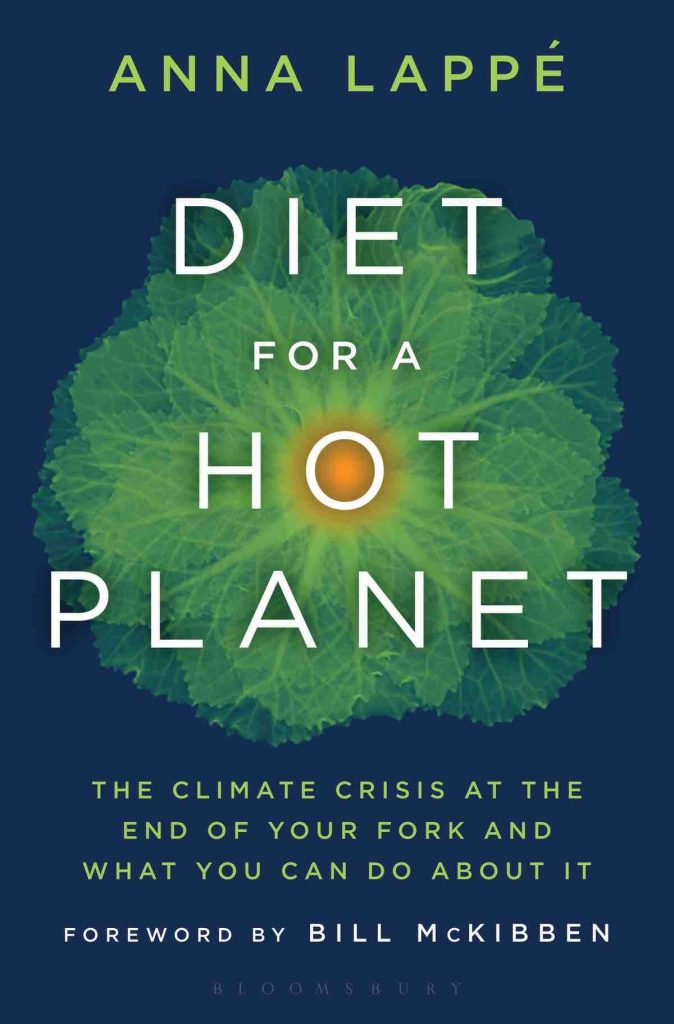
Diet for a Hot Planet — Anna Lappé
This book examines how food production and consumption contribute to climate change.
Anna Lappé connects everyday dietary choices with global environmental systems, explaining how agriculture, supply chains, and consumption patterns influence emissions and resource use.
Why it matters
It helps readers understand the relationship between food systems and climate, offering a practical lens on how individual choices fit into a larger context.
Circular Economy and Design
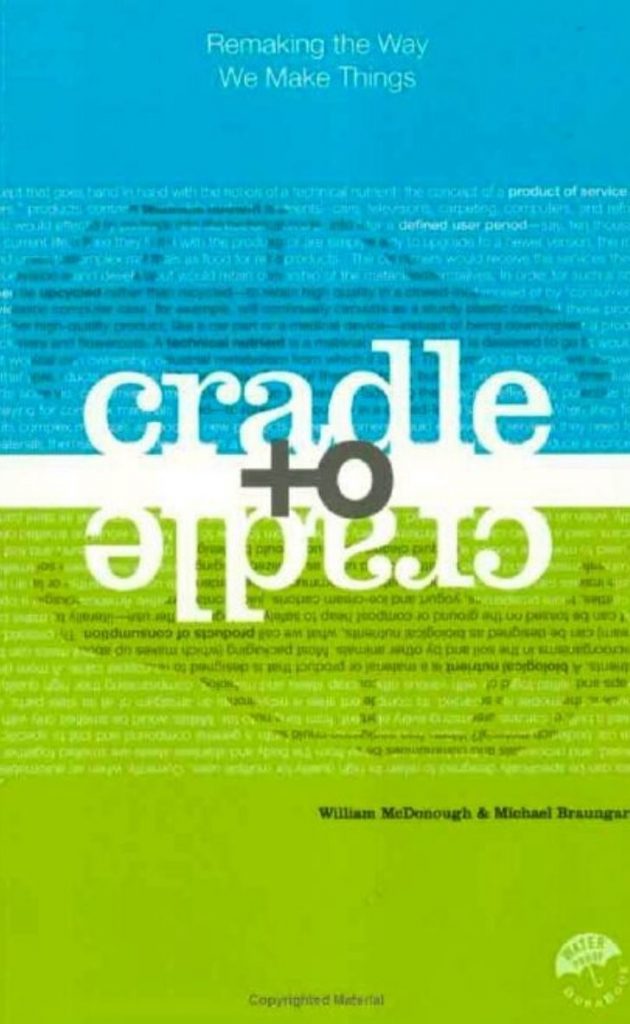
Cradle to Cradle: Remaking the Way We Make Things — Michael Braungart & William McDonough
This book challenges the traditional “take-make-waste” industrial model and introduces an alternative approach to design.
The authors propose that products and systems can be created so that materials are continuously reused, rather than discarded. Drawing inspiration from natural systems, they outline principles for designing processes that aim to eliminate waste.
Why it matters
It provides a foundational framework for understanding circular economy thinking and its applications across industries.
Economic Systems and Sustainability
Doughnut Economics — Kate Raworth
Doughnut Economics presents an alternative to traditional economic models focused on continuous growth.
The framework balances social needs with ecological limits, encouraging systems that operate within both boundaries.
Why it matters
It offers a practical way to rethink how economies can support both people and the planet.
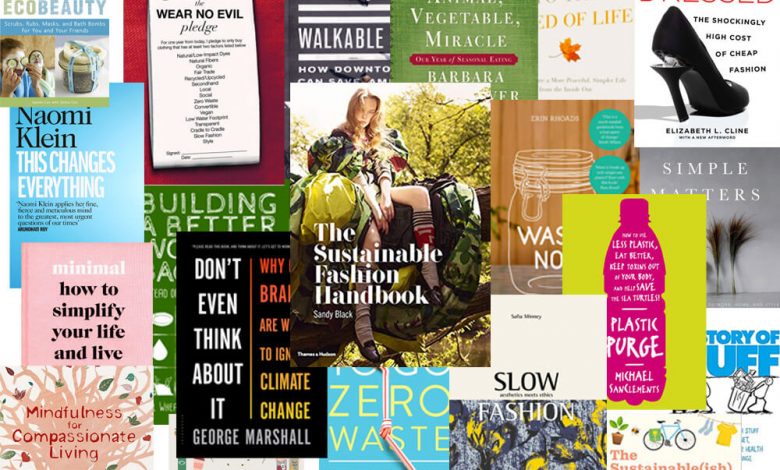
This Changes Everything — Naomi Klein
This book explores climate change through economic and political systems.
Naomi Klein examines how global markets and policy decisions influence environmental outcomes, encouraging readers to consider structural change alongside individual action.
Why it matters
It provides context for understanding why climate challenges persist and how systems shape solutions.
Climate Change and Global Perspectives
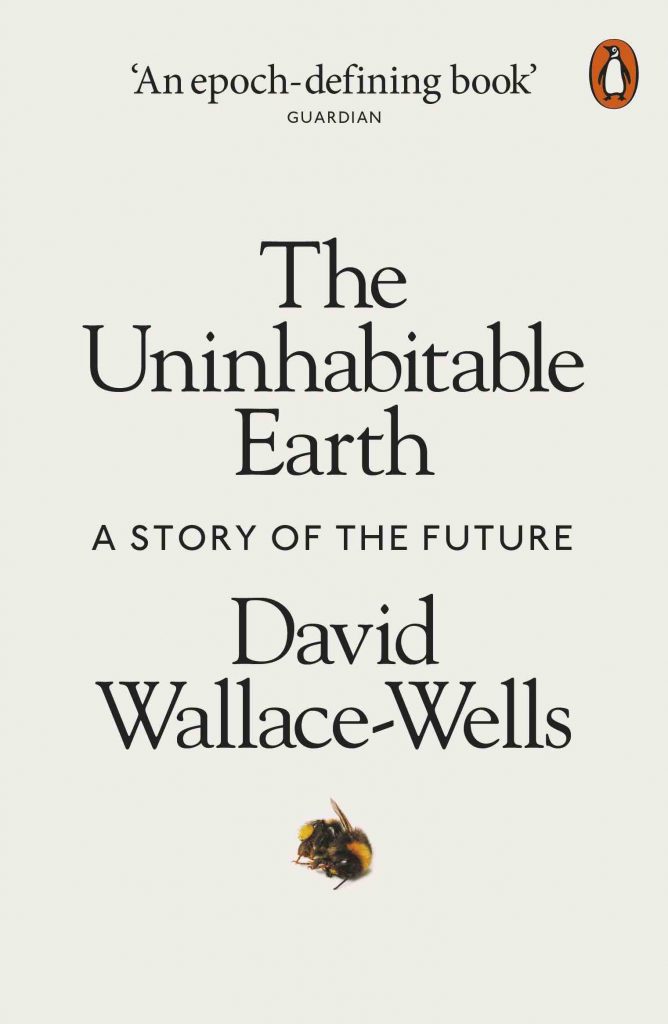
The Uninhabitable Earth — David Wallace-Wells
This book explores potential future scenarios based on current climate trajectories.
Drawing on scientific research, it outlines the scale and urgency of environmental change, while encouraging deeper engagement with climate data.
Why it matters
It helps readers better understand the scope of climate challenges and the importance of informed action.
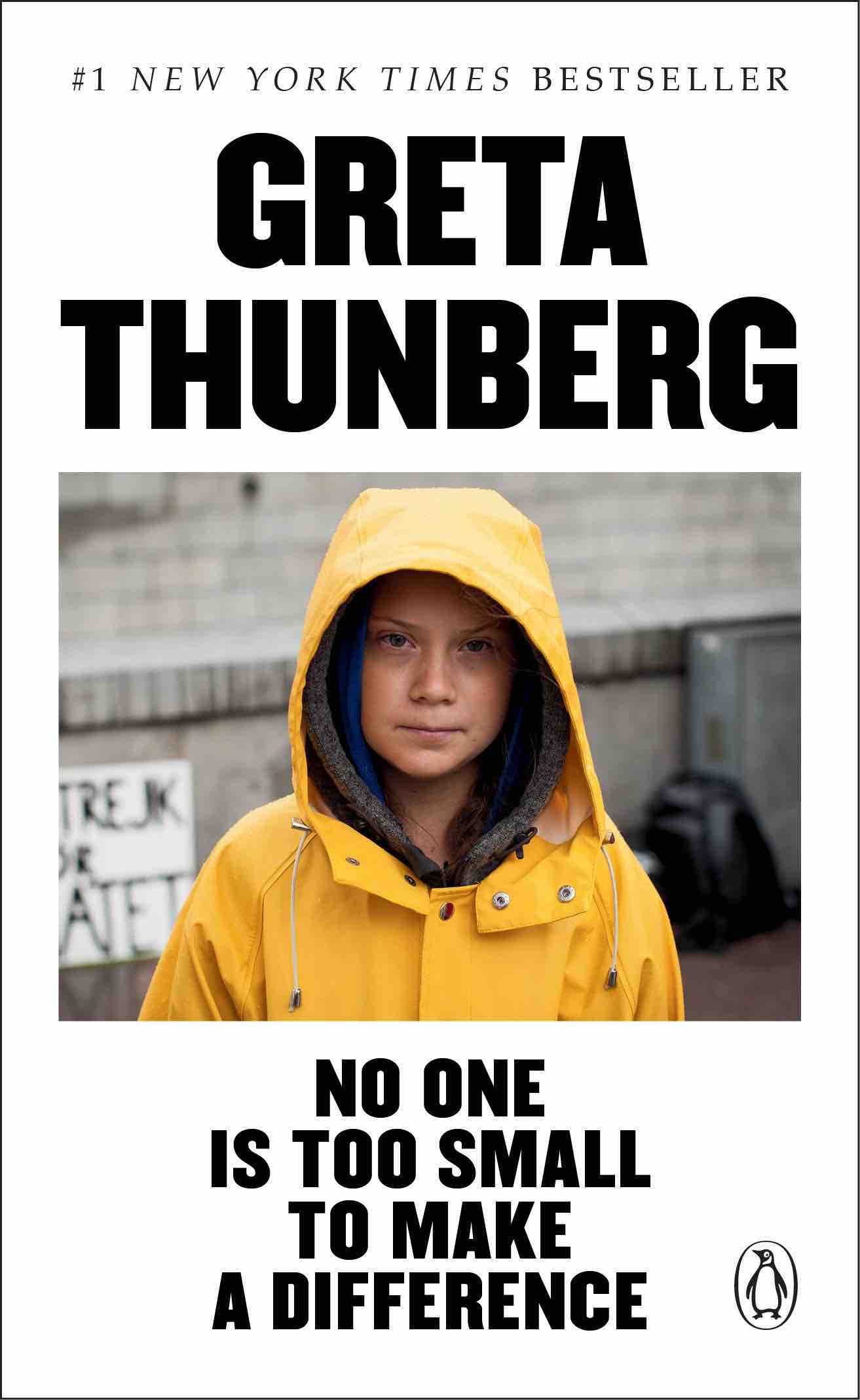
No One is Too Small to Make a Difference — Greta Thunberg
A collection of speeches that reflect the growing global movement for climate action.
The book captures the perspective of youth-led activism and the role of individual voices in shaping public discourse.
Why it matters
It highlights how awareness, communication, and civic engagement contribute to broader environmental conversations.
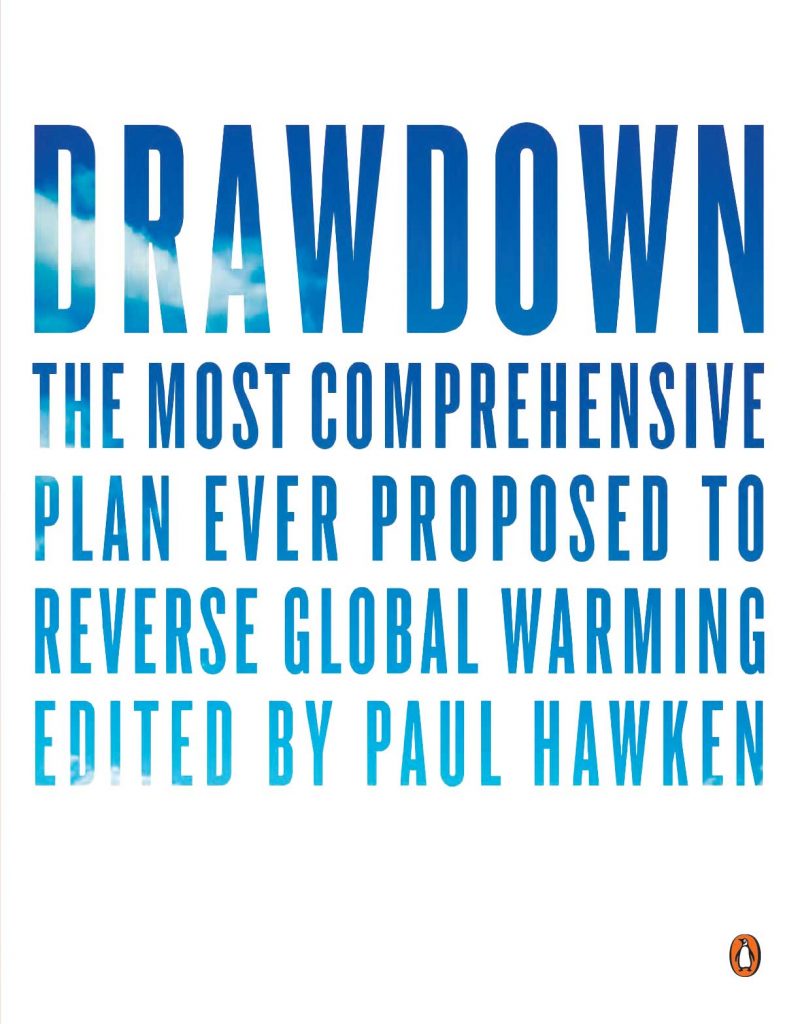
Drawdown — Paul Hawken
Unlike many climate-focused books, Drawdown focuses on solutions.
It presents a collection of evidence-based actions that can contribute to reducing emissions and addressing climate change, ranked by their potential impact.
Why it matters
It offers a solution-oriented perspective grounded in research and practical implementation.
Practical Sustainable Living
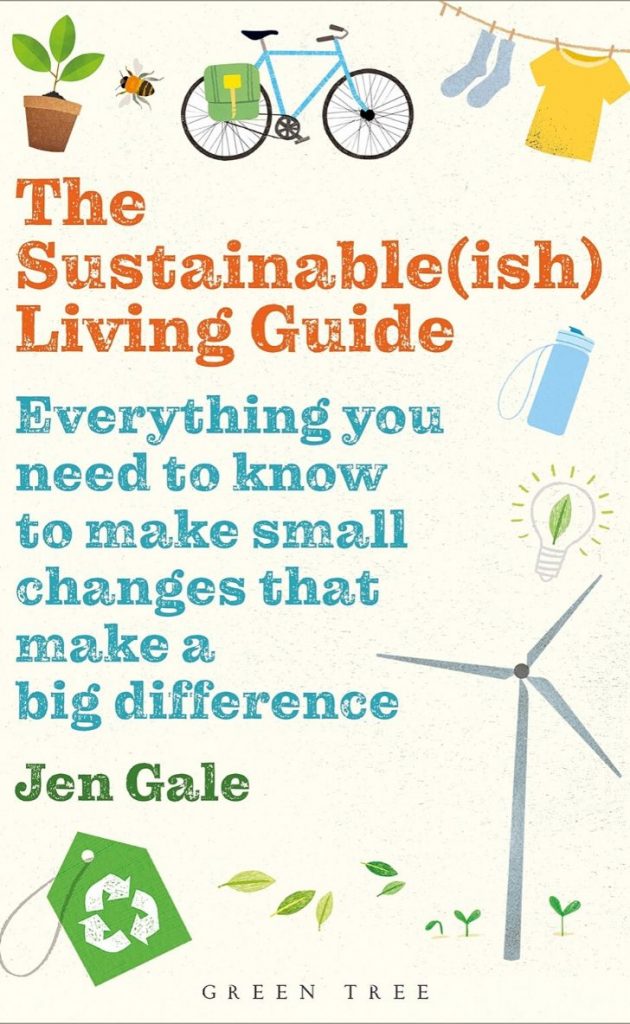
The Sustainable(ish) Living Guide — Jen Gale
This book provides an accessible and realistic approach to sustainable living.
Jen Gale focuses on small, manageable changes across areas such as food, travel, and consumption, emphasising progress over perfection.
Why it matters
It makes sustainability feel achievable in everyday life.
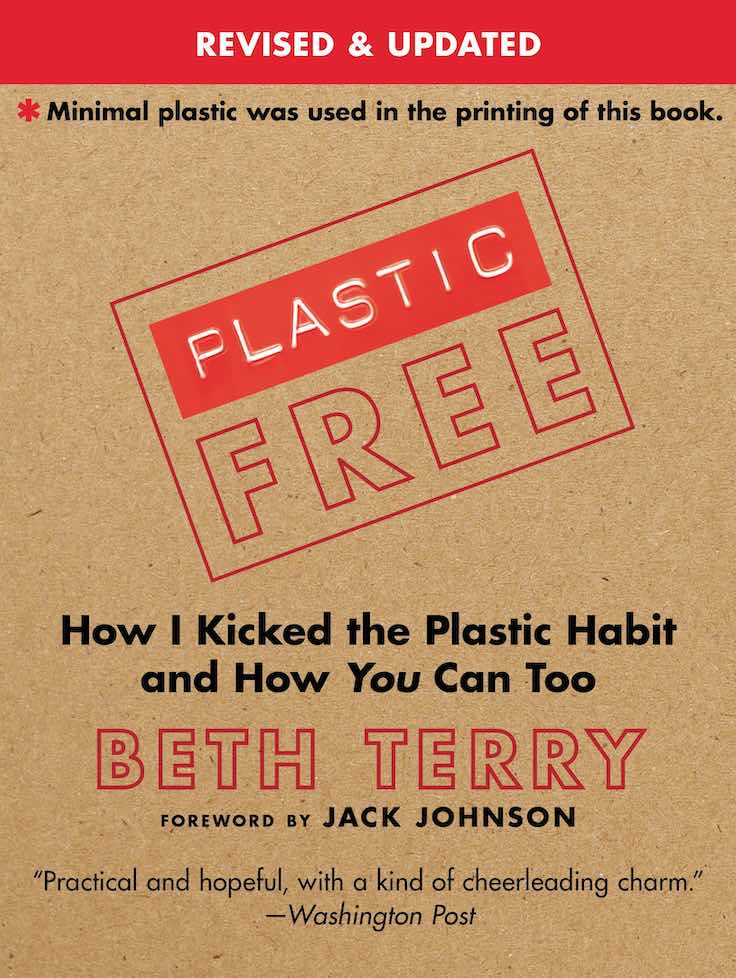
Plastic Free — Beth Terry
Beth Terry shares her personal journey toward reducing plastic use.
The book combines practical guidance with reflections on behaviour change, making it both informative and relatable.
Why it matters
It offers practical steps while acknowledging the emotional and social aspects of lifestyle change.
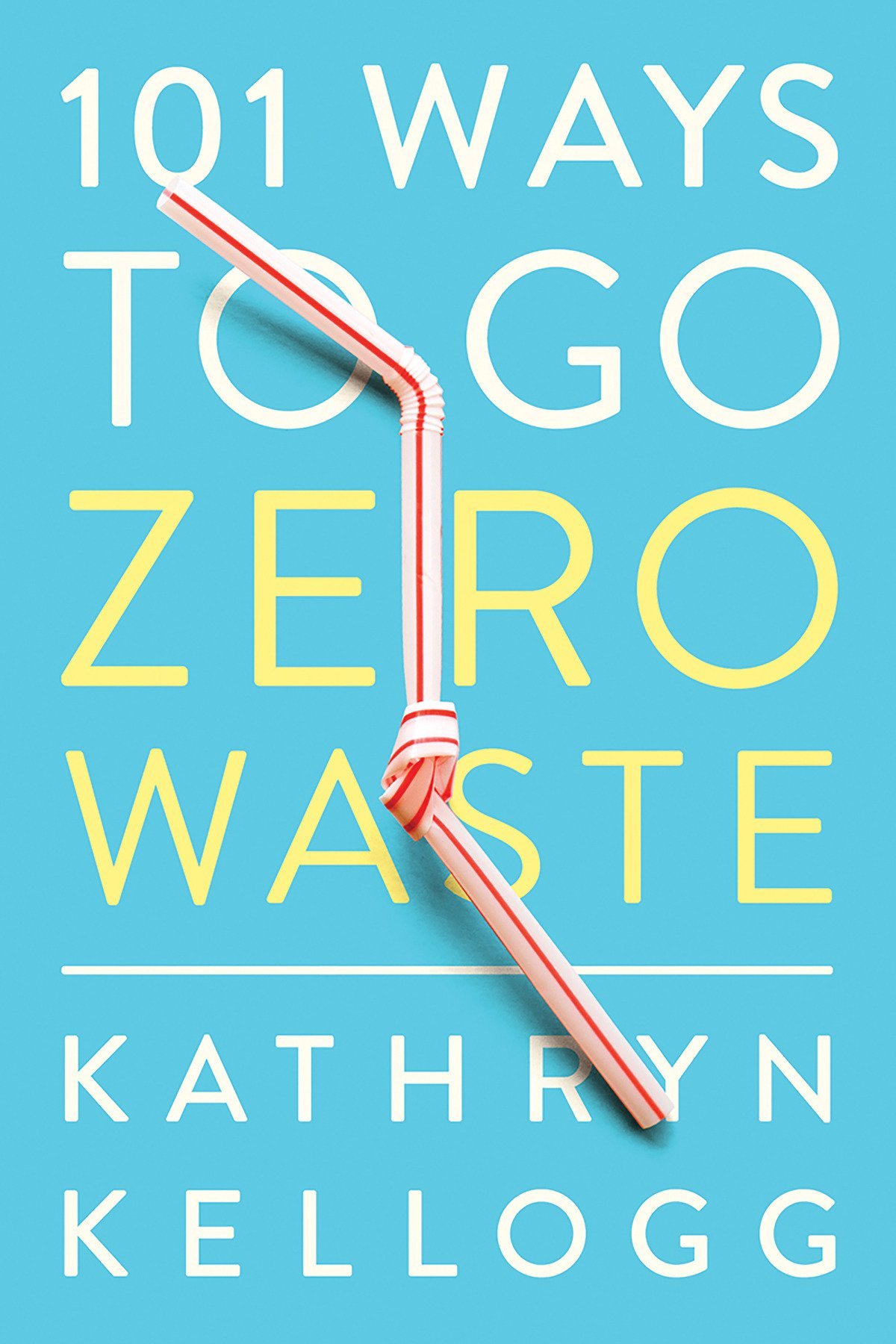
101 Ways to Go Zero Waste — Kathryn Kellogg
This guide offers practical strategies for reducing waste in daily life.
It covers areas such as shopping, cooking, and household habits, with a focus on simple and accessible actions.
Why it matters
It provides actionable ideas for individuals looking to reduce waste without overwhelming changes.
Purpose-Driven Work and Social Impact
Earth is Hiring — Peta Kelly
This book explores the idea of aligning work with purpose.
It speaks to individuals interested in building careers or businesses that contribute to positive social or environmental outcomes.
Why it matters
It reflects a growing interest in purpose-driven work and conscious entrepreneurship.
Cities, Systems, and the Future
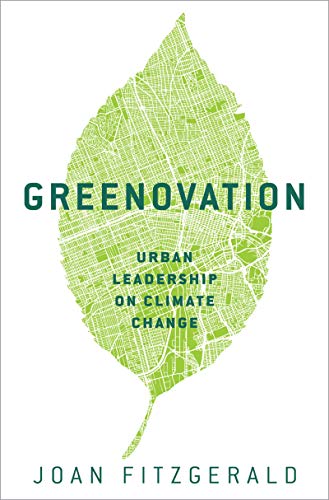
Greenovation — Joan Fitzgerald
This book focuses on the role of cities in addressing climate change.
Through case studies and research, it explores how urban areas can adopt more sustainable systems in areas such as energy, transport, and infrastructure.
Why it matters
It highlights the importance of large-scale, system-level change alongside individual action.
How to Choose Where to Start
If you are new to sustainability, starting with practical and accessible books such as The Sustainable(ish) Living Guide or 101 Ways to Go Zero Waste can help build confidence.
For a broader understanding of systems, Doughnut Economics, Drawdown, and This Changes Everything offer valuable perspectives.
If your interest lies in food and agriculture, Kiss the Ground and Diet for a Hot Planet provide useful insights.
Readers interested in climate science may begin with The Uninhabitable Earth, while those exploring purpose-driven work may find Earth is Hiring relevant.
Final Thoughts
Sustainability is a complex and evolving field that spans environmental science, economics, culture, and daily behaviour.
Reading across different perspectives can help build a more complete understanding of how these areas connect. While no single book provides all the answers, each contributes to a broader conversation about how societies can move toward more sustainable and equitable systems.
For readers looking to deepen their understanding, these books offer a thoughtful starting point.