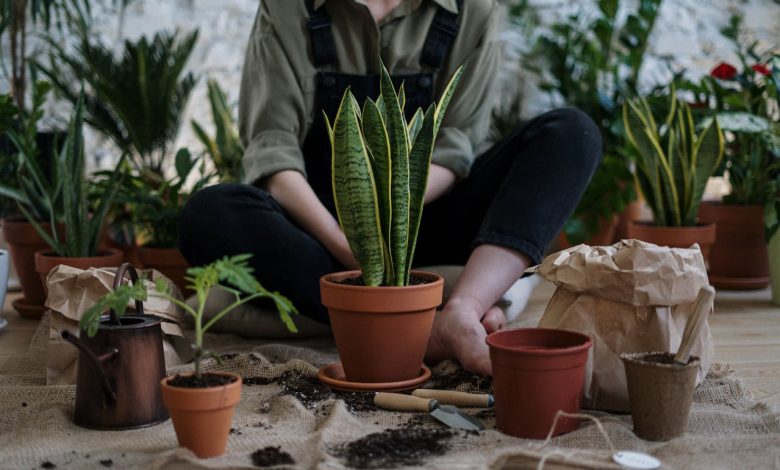
Have you been wanting to do some work in your backyard, and need some DIY gardening ideas? This is your guide with all the foundations to do it as eco-conscious as possible!
If you want to hone your DIY skills, you should consider some green garden project ideas for your backyard.
From vertical herb gardens to full-on backyard planting, there are so many ways to get your garden working well with its surroundings. Create a sustainable garden using eco-friendly methods that will benefit your backyard and your budget.
Get inspiration for landscaping and gardening with these seven simple ideas below:

1. Collect Rainwater
Keep your plants watered for free by collecting and storing rainwater.
We all know that water is a precious resource, so keep your garden and plants covered by conserving rainwater. Rainwater is far less acidic than tap water and contains more nitrogen and oxygen to boost plant growth.
There are many methods for collecting rainwater, some of which are cheaper and easier than others – but every one of them will help to inspire your eco-friendly gardening plans.
2. Compost
If you are new to composting, do not fret – these make wonderful and easy additions to your garden.
Buy a decent-quality composting bin if you do not want to build a compost heap. Bins are compact and perfect for moving around smaller gardens. Place the bin on a level, well-drained spot to keep any excess water from building up.
Let the worms do the hard work – nature has blessed us with the perfect waste disposal creature. Worms love dark and moist environments so be sure to add a few to your compost bin.
Urban composting: the 101 guide for those who live in a city
3. Upcycled Garden Furniture
You can transform weathered garden furniture by upcycling it into something new.
Most upcycling DIY projects can be completed over a weekend and only require a bit of paint or stain, a paintbrush, and a few other products.
If your current furniture is old and outdated, a mini makeover might be the perfect solution for breathing new life into your garden. Add a pop of color to your furniture and turn it into the focal point of your backyard.
4. Garden Houses
Before installing garden houses, it is essential to measure the space you have allocated for them.
Once you know how much space you have to work with, you can pick a design that will work the best in your garden. You should carefully consider what you plan to do in your garden house before choosing the perfect one.
If you are looking for a space to escape the daily stresses of life, you will need to factor in enough space for seating. If you want to grow plants inside your new garden house, plan for ample sunlight to get into the space.
How to start an organic greenhouse at home to grow your food
5. Gutter Gardens
If you have an apartment or small garden, you may assume that gardening is not in your cards.
That assumption could not be more wrong!
Every inch counts when you have limited growing spaces – and that is where gutter gardens come in. These are a versatile and affordable way to start to grow off the ground and utilize wall space.
Shallow-rooted plants and vegetables can be grown at shoulder height, away from pests and the harsh elements of your environment.
6. Companion Planting
Some of the many benefits of companion planting include fewer pests, increased beneficial insects, a natural boost to pollinator populations, and a health boost for your overall plants.
You must understand what to plant next to each other as different plants have different sunlight and water requirements and should never get planted next to each other. Some plants share common pests and should never get planted near each other.
Keep beans and peas, tomatoes and potatoes, and cucumbers and watermelons separated from each other. These plants share similar pests, so planting them within close range of each other is just asking for trouble.
7. Choose Native Plants
It is essential to choose the correct native varieties of plants for your area.
Not only will they be able to handle the specific climate in your neighborhood, but they will also require less feeding and watering. Native plants make financial and environmental sense, and they also support native wildlife and insects.
Use a naturalistic planting plan and include wildflower patches to promote diverse wildlife.
Indoor-Friendly Plants to Improve the Air Quality in Your Home
In Conclusion
Sustainable gardening is more economical and eliminates the exploitation of natural resources. The green gardening ideas above will require limited long-term maintenance and will have your garden buzzing with life in no time.
Put nature at the forefront of your gardening methods and you will quickly start to reap the rewards!