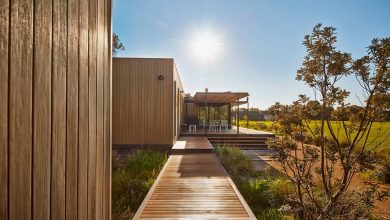
Incorporating nature into your home isn’t just a trend, it’s a revolution in interior design. As sustainability becomes more important in interior design, today’s decor trends blend eco-friendly, natural materials with smart technology and energy-efficient solutions. This innovative approach transforms living spaces, making them healthier, and creating sustainable interior designs for a brighter future.
What is Biophilic Design?
Biophilic design is revolutionising interiors by bringing the outdoors in. This design philosophy, introduced in 1964, centres on integrating natural elements, such as sunlight, plants, and ventilation, into indoor spaces to boost our connection to nature.
By using natural materials, maximising daylight, and incorporating greenery, biophilic design not only enhances the aesthetic appeal of a home but also creates a more productive and healthy environment for people. Terrapin Bright Green’s research shows that integrating natural elements into the built environment can reduce stress, improve cognitive function, and overall well-being.
Indoor-Friendly Plants to Improve the Air Quality in Your Home

How to Easily Introduce Biophilic Design into Your Home Decor
1. Maximise natural light
Installing large, skylights and energy-efficient windows in your home is a great way to flood your space with plenty of natural light. By strategically placing these in your home, you can effectively capture the sunlight throughout the day.
Letting more natural light into your home can also brighten your interiors when paired with light decor and reflective materials. For example, light pastel colours, glass tiles, and mirrors used strategically throughout your home can make spaces more open and bright.
Focusing more on natural lighting also reduces the need to rely on artificial lighting further promoting sustainability.
2. Incorporate more indoor plants
An easy way to bring biophilic design into your home is to bring nature inside with various indoor plants. Opt for low-maintenance indoor plants like succulents, snake plants, and peace lilies to improve air quality and foster a calming environment.
For a more striking effect, consider adding a green wall or vertical garden to your space to create a focal point that’s both aesthetically pleasing and promotes a healthy environment.
Exploring the Benefits of Having Indoor vs Outdoor Floral Plants
3. Use natural materials
Incorporating natural wood and stone into your home’s flooring, furniture, and decor can help you add a rustic, eco-friendly touch to your interiors. For example, reclaimed wood can help add unique character to your home, while locally sourced stone enhances the natural feel.
More great materials you can use for your interiors include textiles like cotton, wool, and linen which are great to use for upholstery, curtains, and bedding.
More great materials you can use for your interiors include textiles like cotton, wool, and linen, which are great to use for upholstery, curtains, and bedding. If you’re updating your seating, a washable, modular option like Home Reserve’s loveseat with built-in storage can complement a more practical, nature-inspired space.
4. Adopt natural shapes and patterns
Another great way to enhance your interiors is to incorporate furniture and decor with organic, flowing shapes that mimic nature. Avoid overly rigid, geometric designs and opt for items that reflect the softness and fluidity of the natural world. This approach helps enhance the visual appeal of your space whilst also creating a harmonious atmosphere.
Choosing Sustainable Interior Design Materials For Your Home
Selecting sustainable materials is essential for creating an eco-friendly home and moving towards a greener future. Bamboo is a fast-growing, durable option for flooring and furniture as it offers a sleek, modern look and can be harvested without causing deforestation.
Recycled materials are also a stylish and sustainable option for your interior design and can even be used in bathroom and kitchen tiling. For example, there are a variety of tiling choices like recycled glass mosaics that are an elegant, eco-friendly option for your home.
No matter which sustainable interior design materials you choose to use in your home, durability and recyclability is an important focus when purchasing them. Seeking out pieces that are built to last will help reduce the need for frequent replacements.
Future Trends in Sustainable Interior Design: What to Expect
The future of interior design is set to be more innovative and environmentally friendly than ever. Biophilic design will continue to evolve, with advanced technology seamlessly integrating natural elements into our homes.
Emerging sustainable materials, such as mushroom leather and recycled textiles, will become mainstream. Smart systems that optimise energy efficiency will also become more prevalent, alongside using renewable energy sources and energy-saving appliances.
As homeowners become more eco-conscious, the demand for sustainable designs and materials will only continue to grow.
Using Stylish Yet Sustainable Interior Designs in Your Home
Incorporating biophilic design and sustainable materials transforms your home into a healthier, eco-friendly space. By blending natural elements and eco-conscious choices, you create a space that nurtures well-being and supports the environment.
As these practices gain momentum, now is the perfect time to make your home a sanctuary that reflects your commitment to nature and innovation. Start your journey towards a greener future today, and experience the profound benefits of having biophilic, sustainable interior designs for your home.
5 Tips for Turning Your Sustainable Home Into a Relaxing Oasis