When people walk into jewelry stores, they often see beautiful pieces worn around the neck. These pieces usually fall into two main groups: necklaces and chains. While many people think these words mean the same thing, they actually describe different types of jewelry. Think of a chain like the foundation of a house – it’s the basic structure.
A necklace is more like a fully decorated house, with all its beautiful features and special touches. Let’s explore these wonderful pieces of jewelry and learn what makes each one unique. A chain starts with small metal pieces that link together in a line. Picture a bicycle chain, but much smaller and more beautiful.
These metal pieces, called links, can come in different shapes – round like circles, long like ovals, or square like little boxes. When connected, they create a smooth, flexible line of metal that moves nicely around your neck.
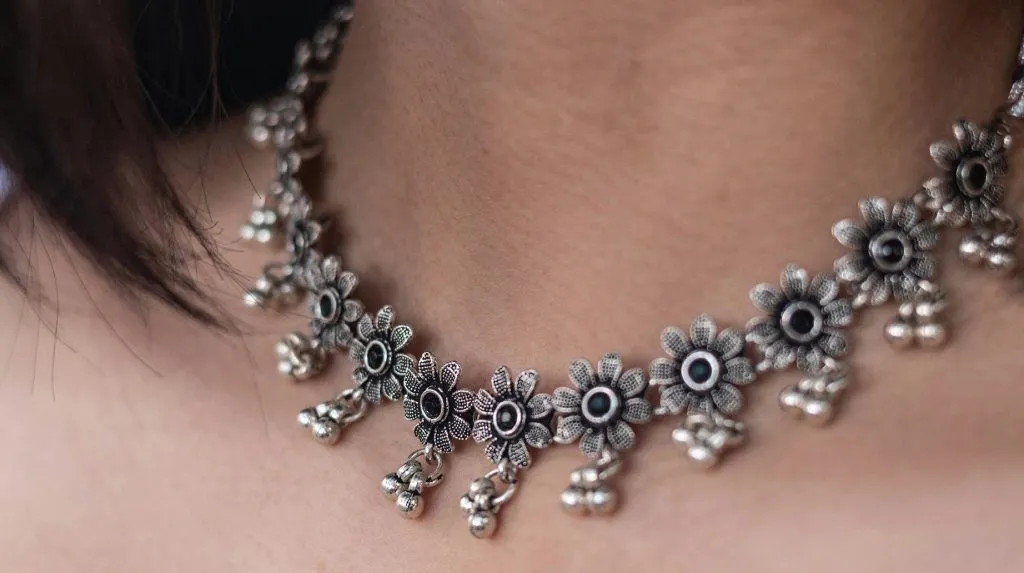
A necklace works differently because it includes many more elements. While it might use a chain as its base, a necklace often adds beautiful decorations like sparkly gemstones, shiny pearls, or fancy metal designs.

Special Designs of Necklace vs Chain
When choosing jewelry, the debate of necklace vs chain is particularly relevant when considering infinity links, which stand out for their unique and meaningful design.
While traditional necklaces often feature pendants or decorative elements, these special chains create a continuous pattern that reminds people of the infinity symbol, a shape that looks like the number eight turned sideways.
Each link flows smoothly into the next, making a never-ending pattern that catches light beautifully as it moves.
Jewelry makers carefully consider the necklace vs chain distinction when crafting infinity links, shaping each metal piece to create this flowing design. The style works especially well in precious metals like gold and silver because these materials can be shaped precisely while staying strong.
The necklace vs chain decision becomes clearer when you see how light hits an infinity link chain, creating a continuous sparkle that moves along the length of the piece, making it particularly eye-catching.
Design Suggestion
People often weigh the necklace vs chain options when selecting special gifts because the endless pattern carries meaning. The design suggests lasting connections and endless feelings, which makes these chains popular for wedding jewelry and anniversary presents.
The necklace vs chain comparison often leads buyers to choose infinity links, especially when some jewelry makers enhance the pattern by adding small sparkly stones where the links meet, creating extra shine at each connection point.
When considering the necklace vs chain maintenance requirements, infinity links need special attention because of their intricate design. The flowing pattern means there are more curves and corners where dust might collect.
Regular gentle cleaning helps keep each link shining brightly and moving smoothly. Despite needing this extra care, infinity link chains remain popular because their beautiful pattern looks timeless and elegant.
Modern jewelers have found new ways to work with infinity links, sometimes making them bigger or smaller to create different looks.
Some combine the infinity pattern with other chain styles, making unique pieces that stand out. These creative approaches show how this traditional design keeps finding new ways to stay fresh and appealing.
28 Ethically-Made & Sustainable Jewelry Brands To Shine With Purpose
Exploring Chain Types
Chains come in many interesting styles, each with its own special look. Cable chains remain very popular, using simple oval links that connect like the paper chains children make for parties. Rope chains show off twisted metal that looks like the ropes on ships, creating beautiful spiral patterns that catch light and sparkle.
Box chains bring a modern feel with their square links, giving a clean, geometric look. Snake chains feel smooth and move fluidly, just like their namesake, because they use small plates or bands that fit together perfectly.
Jewelers make chains in two main ways: solid and hollow. Solid chains contain metal all the way through, making them stronger but more expensive because they use more precious metal. Hollow chains have empty space inside, which makes them lighter and less costly, but they need more careful handling because they can get damaged more easily.
The Many Styles of Necklaces
Necklaces show us just how creative jewelry makers can be. Some necklaces make bold fashion statements with lots of colorful stones and detailed metal designs. Others keep things simple and elegant with just one beautiful pendant hanging from a chain.
Necklaces also come in different lengths – chokers sit close against the neck, princess length falls just below the collarbone, and opera necklaces hang long and graceful, reaching past the chest.
Different cultures around the world create their own special kinds of necklaces. Native American jewelry makers often work with beautiful blue-green turquoise stones that carry special meaning.
Traditional Indian mangalsutra necklaces hold deep significance for married women. These cultural pieces do more than look pretty – they tell important stories and carry special meaning for the people wearing them.
How They’re Made with Care
Creating chains requires careful work with precious metals. Skilled jewelry makers use materials like gold, silver, and platinum to form perfect links. Some artisans still craft chains by hand, especially for unique or custom designs.
Others use precise machines to make sure every link matches exactly. The best jewelry often combines both traditional handcraft skills and modern technology.
Necklaces open up even more possibilities for materials and techniques. Beyond metals, creators work with sparkling gemstones, delicate pearls, colorful glass beads, natural wood, and modern materials like special plastics or recycled items.
Each material needs its own special handling – pearls require very gentle care, while metal can handle stronger shaping techniques.
Choosing the Right Piece
When picking between a chain and a necklace, think about how you’ll wear it. Chains work great for everyday wear because they look simple and match everything in your closet.
They make perfect bases for adding your own special pendants or charms. Many people like to wear several chains together, creating layers of different lengths.
Necklaces shine when you want your jewelry to get attention. A beautiful necklace can become the main focus of what you’re wearing. However, because necklaces often have more decoration, they might not go with everything you own.
Think about your personal style and how much time you can spend taking care of your jewelry when making your choice.
Taking Good Care of Your Jewelry
Both chains and necklaces need regular care to keep looking beautiful. Chains need cleaning to stay shiny, especially in the small spaces between links where dirt can hide. Sometimes they need professional cleaning, particularly when they start looking worn or dirty in hard-to-reach spots.
Necklaces often need even more careful attention because they have different parts. Each type of gemstone might need its own special cleaning method.
Pearls need very gentle care with special pearl cleaners. Storing jewelry properly makes a big difference too. Keep each piece separate from others to prevent tangling and scratching.
Understanding Quality and Worth
When shopping for chains, look at how pure the metal is and how well the links connect. The clasp should feel strong and close securely. Gold chains with higher karat numbers, like 18K, contain more pure gold and cost more, but they’re softer. Lower karat gold chains, like 14K, provide more strength for everyday wear.
For necklaces, check how well each part is made. Look at how securely stones sit in their settings, how evenly matched the pearls appear, and how neat the metal details look. Designer necklaces might cost more at first, but special pieces can become more valuable over time.

Today’s Jewelry Trends
Modern jewelry designers keep trying new things with both chains and necklaces. They use materials that help protect our environment and make sure their materials come from responsible sources. Some even add new technology, like clasps that open and close more easily or necklaces that can connect to phones.
Many new designs mix different styles together in interesting ways. You might see chains made with both metal and fabric, or necklaces that combine old-fashioned and modern techniques. These creative approaches show how jewelry keeps changing with the times.
The Deeper Meaning of Jewelry
Jewelry means more than just looking nice. Throughout history, chains have shown strength and connections between people. Beautiful necklaces often indicate wealth or social status. Different cultures use specific designs to mark important life events like marriages, coming of age ceremonies, or special achievements.
Common Questions People Ask
Many people wonder how to pick the right chain strength for their pendants. A good rule says to choose a chain width at least half a millimeter wider than the pendant’s hanging loop. This ensures the chain can support the pendant’s weight safely.
For matching necklaces with clothes, remember that short necklaces look great with v-neck tops, while longer ones work well with high necklines. The key is making sure your jewelry and clothes work together to create a nice overall look.
People often ask about saving money with hollow chains. While these cost less, remember they need gentler handling and might not last as long as solid chains. They work better for special occasions than everyday wear.
When it comes to storing jewelry, keeping pieces separate prevents problems. Use soft cloth pouches or individual hooks for each piece. This simple step keeps your jewelry from getting tangled or scratched.
For wearing multiple necklaces together, keep about two inches of space between each piece. Mix different textures and styles while making sure they don’t compete too much for attention.
Looking Forward
As jewelry continues to evolve, the line between chains and necklaces keeps getting less clear. Designers find new ways to combine the best features of both types. They experiment with new materials, try different styles, and create pieces that can change to match different outfits or occasions.
Final Thoughts
Understanding the differences between chains and necklaces helps everyone make better choices when buying jewelry. Each type has its own special beauty and purpose. Whether someone prefers the simple elegance of a well-made chain or the eye-catching appeal of a decorated necklace, knowing these basics leads to better decisions.
The perfect choice matches both personal style and everyday life, bringing joy each time someone puts it on. As jewelry keeps changing and growing, we can look forward to seeing new and exciting ways to wear these beautiful pieces.