Commercial cleaning has a bigger environmental impact than most realize. Discover the hidden costs, the waste stream, and how green practices are transforming the industry.
The environmental impact of cleaning isn’t usually the first thing people think about when they walk into an office lobby or a school hallway. The industry grew around efficiency and habit, so the environmental cost stayed out of sight for years. Once you start noticing the patterns, though, it becomes hard to ignore how routine cleaning affects water, air quality and the kind of waste that sticks around far longer than the shine on a freshly treated floor.
The Hidden Layer Behind Everyday Clean
Surfaces look pristine and the building smells fresh, yet the materials used to create that moment move well beyond the space itself. Many commercial cleaning services rely on strong chemical formulas meant to act fast and leave no residue, well, no residue you can see. The truth is that fumes drift into ventilation systems and the wastewater carries traces into local ecosystems. It happens slowly and quietly, which is part of why the problem persisted for so long without attracting attention.
Why Ingredient Choices Matter More Than Expected
When someone picks up a bottle of cleaner at home, they can check the label. In commercial settings, decisions happen through contracts, and ingredients aren’t always obvious to the people working or visiting the building. Some products include solvents that do their job well but linger much longer than anyone intends. You can walk into a room long after cleaning staff have finished and still catch a faint chemical trace. That hint often means the air carries more than you’d guess.
Modern Home Eco Cleaning: How Technology is Transforming Everyday Chores

Water Use Adds Its Own Kind of Pressure
Cleaning large spaces takes water — an enormous amount when you look at it across an entire year. Mopping floors in hallways, rinsing tools, refilling buckets, scrubbing restrooms all add up. This isn’t wasteful in intent, but the scale of the industry magnifies the effect. As drought concerns rise in many regions, the conversation around conservation connects more strongly with everyday operational choices.
The Waste Stream Nobody Talks About
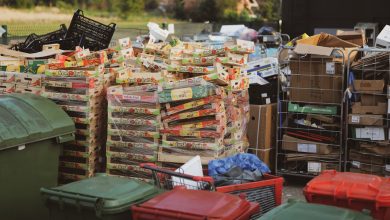
It’s easy to overlook the volume of disposables involved in routine cleaning. Wipes, liners, pads, gloves and bottles all feel small in the moment but create a steady flow of plastic waste. Traditional products aren’t designed to break down naturally. When multiplied across office towers, hotels or medical facilities, the total becomes large enough to matter. It’s not that these items don’t have a place, but using them without thinking through alternatives keeps the industry tied to outdated patterns.
A Shift Toward Safer Formulas
Fortunately, momentum is happening. Many organizations now ask about plant-based formulas or low-toxicity solutions that perform well without the environmental side effects. Manufacturers developed biodegradable ingredients that don’t persist in water systems. These aren’t fringe options anymore. They’re becoming the new baseline for companies that want cleaning routines to support, rather than undermine, broader sustainability values.
Tools That Reduce Environmental Load
Some innovation is happening in tools rather than chemicals. Microfiber cloths that can be washed and reused replace stacks of disposable wipes. Concentrated solutions shipped with minimal packaging reduce transportation impact. Certain systems even convert tap water into electrically charged cleaning solutions, cutting out chemical additives entirely.
Training That Changes Outcomes
Even the most ecofriendly products, however, lose their potential if used the wrong way. There again, overuse creates unnecessary waste and increases water consumption. Underuse doesn’t clean effectively. Many companies underestimate how much training matters. When teams understand how to measure solutions correctly or switch tools at the right time, environmental impact improves, all without sacrificing results.
Sustainability As a Business Decision
People may not see the process, but they notice outcomes: fewer harsh smells, cleaner indoor air, visible reductions in waste and clear communication about better choices. Buildings serviced through greener protocols often gain positive feedback because the environment feels more comfortable to work in or visit.
What Future Cleaning Could Look Like
The industry is slowly redefining what it means to maintain a space. It’s moving from quick results toward long-term thinking where cleanliness connects to health and planetary impact. New certifications, evolving regulations and consumer expectations are steering that shift. What used to be niche, such as ecofriendly lines, reusable tools and reduced water methods, is becoming standard practice for organizations trying to match their operations with their sustainability commitments.
The environmental cost of commercial cleaning is easier to ignore than it should be, but it’s also easier to fix than many people assume. When companies rethink ingredients, tools and protocols, meaningful progress follows. Ecoconscious consumers aren’t expecting perfection. They’re looking for transparency and effort. Cleaner buildings shouldn’t come at the expense of the environment, and with the right decisions, they don’t have to. Choosing greener cleaning isn’t only a maintenance choice. It’s a statement about the kind of world people want to build day by day.
Author bio: Michael Bruckler is Vice President of Sales and Marketing at Enviro-Master, which offers a variety of Gold Standard, cost-effective commercial cleaning services to every industry. Bruckler is a results-driven leader with 15+ years of experience in sales and operations. At Enviro-Master, he leads strategic initiatives to enhance efficiency, team performance, and business growth.
SOURCES
https://servi-tek.net/eco-friendly-cleaning-why-its-worth-it-for-your-business/
https://www.vanguardozarks.com/2025/07/green-commercial-cleaning-why-sustainability-matters-more-than-ever/