Discover how modern shoppers evaluate value beyond price. Learn about reviews, comparison tools, sustainability considerations, and smarter online shopping habits.
Honestly, shopping has changed a lot. It used to be all about who had the lowest price, full stop. Now? Not so much.
People think more before buying stuff online. They check reviews, compare a few sites, maybe wait for a better deal to pop up. Value isn’t just a number anymore, it’s more of a feeling, like “did I actually make a smart choice here.” This article digs into what that looks like in practice.
So What Does “Value” Even Mean Now
A super cheap product that falls apart in two weeks isn’t really cheap at all, right? Most people have learned that lesson the hard way at some point. So when shoppers talk about value these days, they’re juggling a few things at once, not just price.
- Quality comes first for a lot of buyers. Nobody wants to keep replacing the same item every few months.
- Convenience matters too. Fast shipping, easy returns, a checkout that doesn’t make you want to throw your phone, all of that adds up.
- Brand reputation plays a role as well. Sometimes paying a little extra for a name you trust just feels safer.
- Long-term savings matter too. Spending more now but less later is something a lot of smart shoppers calculate without even realizing it.
Tech Tools Doing All the Work

Remember walking into five different stores just to compare prices? Yeah, nobody does that anymore. Comparison websites and browser extensions handle it instantly now, you just type the product and boom, prices from everywhere show up.
Cashback apps have become a quiet part of a lot of people’s routines too. You’re buying the thing anyway, so why not get a small percentage back? It doesn’t seem like much per purchase, but over a year it adds up more than people expect.
Coupon codes are still huge, obviously. The annoying part used to be trying ten expired codes before one actually worked. That’s where sites like Coupon Mister come in handy, since they collect and verify working codes from a bunch of stores in one place, so people aren’t stuck guessing which ones are dead.
Why Everyone Trusts Reviews
Before buying basically anything, people scroll through reviews first. It’s almost automatic at this point. A product with thousands of detailed reviews just feels safer than one with zero, even if it costs a little more.
Influencers still matter, but people have gotten more careful about who they listen to. Follower count doesn’t impress anyone the way it used to. What works now is someone who actually seems to use and like the product, not just reading off a brand script.
User generated content, like real photos and videos from buyers, often convinces people faster than polished brand photos ever could. Seeing how something looks in a regular person’s home or on a regular body feels more honest. It’s basically word of mouth, just digital.
Balancing Price, Quality, and a Bit of Conscience
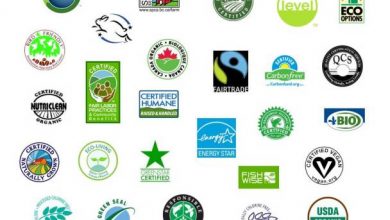
Price still matters obviously, but it’s not the whole story for a lot of shoppers now. Sustainability has crept into the picture too, especially with younger buyers. Where something comes from and what happens to the packaging afterward, people actually think about that stuff now.
That said, most people aren’t going to pay double just because something is labeled eco-friendly. The sweet spot is usually a product that’s fairly priced, decently made, and not awful for the environment. Brands hitting all three tend to keep customers coming back.
Customer experience matters more than people admit too. A smooth website and helpful support can make a slightly pricier item feel worth it. A frustrating buying experience, on the other hand, can ruin even the best deal.
Letting Data Do the Deciding
A lot of shoppers track prices now without even thinking of it as a “habit.” Price history tools show whether a sale is real or just a marketing trick. Some stores literally bump prices up right before a sale so the discount looks bigger, and these tools call that out pretty fast.
Deal alerts help too. Instead of refreshing a page fifty times a day, people just get notified when the price actually drops. Saves a lot of time and a bit of sanity.
Personalized recommendations can feel a little weird sometimes, like the internet knows too much. But they do help people find relevant deals instead of random junk, which makes the whole browsing experience feel a bit less like a guessing game.
Mistakes People Make While Hunting for Deals
Discount hunting feels great until it backfires. A lot of shoppers get so focused on the savings that they end up making the same handful of mistakes over and over. Here’s what tends to go wrong most often.
- Buying something purely because it’s on sale: A 50% discount on something you didn’t actually need still isn’t a good deal, no matter how good it feels in the moment. That money saved is really just money spent on something extra.
- Forgetting about shipping costs: A “cheap” item can suddenly stop being cheap once shipping fees get added at checkout. It’s worth checking the final total before getting excited about a price.
- Stacking too many small coupons: Sometimes chasing five tiny discounts across different sites ends up wasting more time than it saves. A single bigger deal somewhere else might’ve been the smarter pick all along.
- Skipping the return policy: A great price means nothing if the item can’t be returned when it doesn’t fit or work properly. Always a good idea to glance at this before clicking buy.
What Real Value Actually Looks Like
A simple way to check if something’s actually a good deal is asking, will I still feel good about this in six months? If yes, the price probably matters less than people think.
People who consistently land good deals tend to do a few things differently. They research before buying, not after. They check return policies upfront. And they don’t let a countdown timer pressure them into something they’ll regret later.
For anyone wanting to build better habits overall, checking out simple ways to shop more sustainably online can actually tie into saving money too. Those two goals overlap more than most people expect.
How Stores Are Catching Up
Retailers clearly know shoppers are paying closer attention now. Clearer pricing, better product descriptions, and easier comparison tools are slowly becoming the norm instead of a nice extra.
E-commerce platforms are also leaning harder into loyalty programs and flexible payment options to keep up. Shoppers who used to just want the lowest price now expect a bit more, like convenience and honesty thrown in.
Wrapping It Up
At the end of the day, value isn’t just about price tags anymore. It’s quality, convenience, honesty, and sometimes a little bit of conscience, all mixed together. With the right tools and a little patience, finding a genuinely good deal has never been easier. The smartest shoppers aren’t buying the most stuff, they’re just buying with a bit more intention.