Learn how to start a social enterprise using four proven business models. Discover how ethical brands create impact through selling, sourcing, staffing, and sharing.
Starting a social enterprise often begins with a simple question: how can a business address a real social or environmental challenge while remaining financially sustainable?
Over the past decade, many entrepreneurs have explored ways to combine commercial activity with positive impact. While social enterprises can take many forms, patterns often emerge in how these businesses structure their models.
After analysing a wide range of ethical and sustainable brands, several common approaches appear repeatedly. These models help organisations connect their commercial activity with their social mission in practical ways.
In this guide, we explore four common business models used by social enterprises. Understanding these approaches can help founders design ventures that aim to create both economic value and positive social outcomes.
Before exploring the models themselves, it is helpful to understand an important distinction that many social entrepreneurs make.

The Two Communities Social Enterprises Serve
Most social enterprises operate by serving two interconnected groups:
Community of service
The people, communities, or ecosystems the business ultimately aims to support or benefit.
Community of customers
The people or organisations who purchase the company’s products or services.
The relationship between these two communities often defines how the social enterprise operates. In some cases, they are the same group. In others, the business sells to one group in order to support another.
The four business models below illustrate the different ways these relationships can be structured.
1. The Selling Model
In the selling model, the community of customers and the community of service are the same.
The business provides products or services directly to the people it aims to support. Revenue generated from those customers allows the organisation to continue operating while addressing the social challenge it was designed to solve.
One widely cited example of this approach is the work of Muhammad Yunus through Grameen Bank.
The bank provides microcredit to individuals who traditionally lacked access to financial services. In this case, the customers receiving the loans are also the beneficiaries of the organisation’s mission.
Other initiatives use similar approaches by developing tools, services, or platforms that directly address the needs of specific communities.
For founders, this model can be particularly powerful because the organisation’s success is closely linked to the wellbeing of the community it serves.
Examples of social enterprise with selling model: HireUp; Boomerang Bags


2. The Sourcing Model
In the sourcing model, a company purchases materials or products from its community of service and sells them to its customers.
The goal is to create economic opportunities for producers, artisans, farmers, or local communities by ensuring fair access to markets and sustainable income.
This model is frequently used by ethical fashion, fair-trade, and craft-based businesses that work directly with producers in different regions around the world.
In these partnerships, the social enterprise may:
- source materials directly from small-scale producers
- preserve traditional craftsmanship
- ensure fair compensation for labour
- provide training or long-term contracts
By building transparent supply chains, the business can support communities while delivering products to global markets.
Some companies also apply this model using recycled or repurposed materials, turning waste streams into new products and reducing environmental impact.
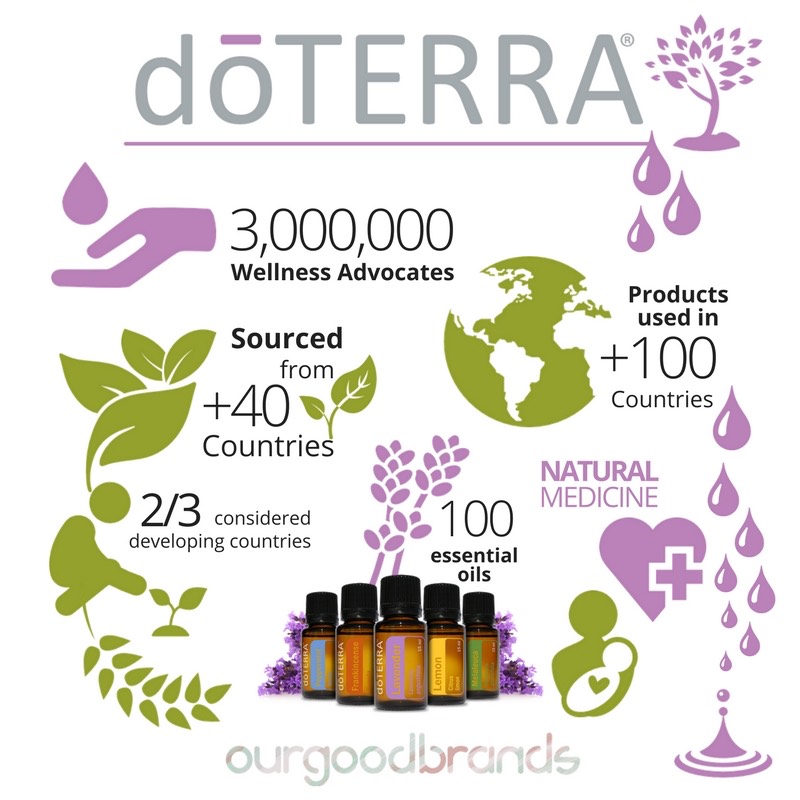
Examples of social enterprise with sourcing model: doTerra, Wandering Heart, Gold is a Neutral, Kantala, Xoomba, Where does it come from?, AMU, Mrittika or AMAZ.
3. The Staffing Model
Under the staffing model, the social enterprise creates employment opportunities for members of its community of service.
The organisation hires and trains individuals who may face barriers to traditional employment, allowing them to participate in the production of goods or services that are then sold to customers.
This model is commonly used by businesses that work with:
- refugees or displaced communities
- individuals with disabilities
- marginalised or underserved groups
- communities recovering from economic disruption
By providing meaningful employment, the enterprise supports both financial independence and social inclusion.
In many cases, these ventures combine skills training, mentorship, and long-term employment opportunities, helping employees build confidence and stability over time.
Examples of social enterprise with staffing model: Bebemoss; Afrodutch collections; E-Globbal; Everyday Coconut Alaffia
4. The Sharing Model
In the sharing model, a business directs part of its revenue or profits toward social or environmental initiatives.
The organisation sells products or services to customers and then shares a portion of the value created with its community of service.
This approach can take several different forms.
Product-Based Giving
Some companies donate products alongside each purchase.
For example, initiatives in health or hygiene sectors may provide essential items to communities that lack access to them.
This model has been used by companies working in areas such as:
- access to clean water
- hygiene and sanitation
- health and medical supplies
Environmental Impact Contributions
Other businesses focus on environmental impact.
These organisations may contribute to projects such as:
- tree planting
- ocean clean-up initiatives
- biodiversity restoration
- climate action programs
In these cases, the social enterprise uses part of its revenue to support environmental projects that align with its mission.
Donation Partnerships
Another version of the sharing model involves partnerships with non-profit organisations or charities.
The business allocates a portion of its revenue or profits to organisations working on specific causes such as poverty reduction, education access, or conservation.
While this model can generate meaningful contributions, many social enterprises aim to ensure that their impact goes beyond donations by integrating purpose more deeply into their operations.
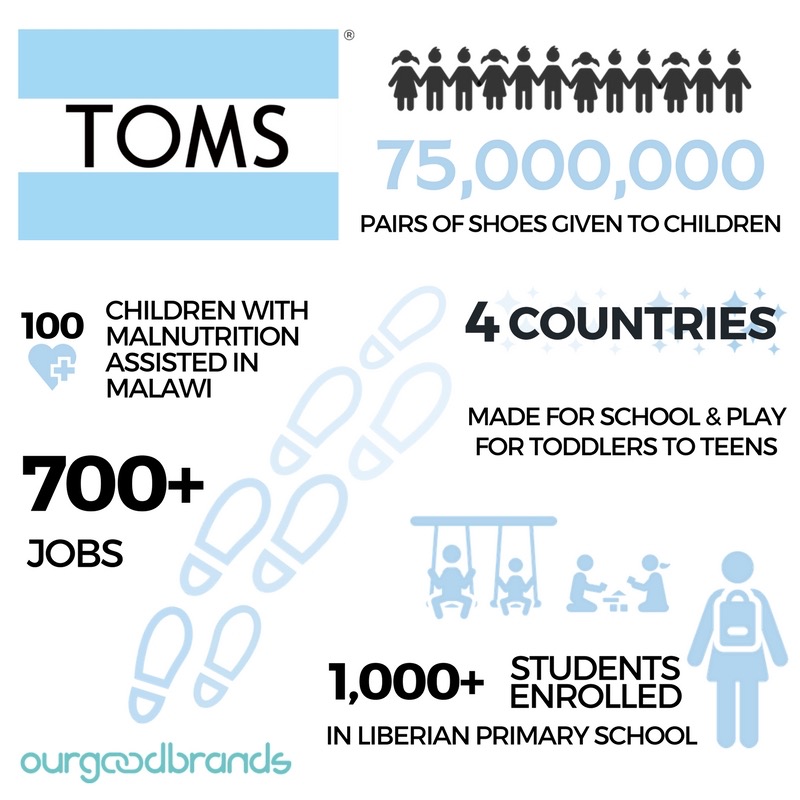
Examples of social enterprise with sharing model: Hero Condoms; The Toothbrush Project; LifeStraw; Toms; Buy One Give One Business Model; Ecosia; 4Ocean; ThankYou; Gin Elephant; Sandcloud



Choosing the Right Model for Your Social Enterprise
Many social enterprises operate using more than one of these models simultaneously.
For example, a company might:
- employ workers from underserved communities (staffing)
- source materials from ethical producers (sourcing)
- donate a portion of revenue to environmental initiatives (sharing)
The most appropriate model depends on the challenge the organisation is trying to address and the resources available to the founders.
What remains consistent across all social enterprises is the intention to design business systems that support positive outcomes for people or the planet.
Designing Impact Into Your Business
Starting a social enterprise does not require a single fixed roadmap. Like many forms of entrepreneurship, the process often begins with identifying a challenge and experimenting with possible solutions.
Today’s founders have access to a wide range of tools that can help turn ideas into functioning businesses — from digital platforms and e-commerce systems to collaborative global supply chains.
What distinguishes social entrepreneurs is the motivation behind their work. Many are driven by a desire to respond to social or environmental issues that they believe require new approaches.
Building a mission-driven business can be complex and demanding, but it also represents an opportunity to contribute to a broader shift toward more responsible economic systems.
Final Thoughts
Social enterprises demonstrate that businesses can play a role in addressing real-world challenges while remaining financially viable.
Whether through selling services directly to communities, sourcing from ethical producers, creating employment opportunities, or sharing profits with impact initiatives, these models offer practical ways to align business activity with social purpose.
As the field of social entrepreneurship continues to evolve, new models and innovations will likely emerge. What remains constant is the growing interest in designing businesses that contribute to a more inclusive and sustainable future.