Explore natural fabric dyes, sustainable textile colouring methods, and the environmental impact of synthetic dyes in the fashion industry.
The colours we wear often come with a hidden environmental cost.
From fast fashion garments to household textiles, the dyeing process used throughout the fashion industry has long been associated with significant water consumption, chemical pollution, and textile waste. While synthetic dyes helped scale modern fashion production, growing awareness around their environmental impact has encouraged both brands and consumers to explore lower-impact alternatives.
Natural fabric dyes — derived from plants, roots, flowers, bark, food waste, and minerals — are increasingly being revisited through the lens of sustainability, craftsmanship, and slow fashion. At the same time, innovations in cleaner dye technologies are beginning to reshape how colour can be produced more responsibly.
This guide explores the environmental concerns surrounding conventional textile dyeing, the rise of plant-based alternatives, and the evolving conversation around more conscious fashion production.

Why Synthetic Dyes Raise Environmental Concerns
The textile industry is considered one of the world’s most resource-intensive industries, particularly in relation to water use and chemical processing.
Conventional dyeing methods often rely on synthetic chemicals, salts, heavy metals, and large volumes of water. Without proper treatment systems, dye wastewater can contribute to pollution in rivers and waterways, particularly in regions where environmental regulations and infrastructure are limited.

Some commonly discussed concerns linked to conventional textile dyeing include:
- water contamination
- high freshwater consumption
- chemical runoff
- energy-intensive manufacturing
- impacts on aquatic ecosystems
In addition to production impacts, synthetic fibres and chemically treated fabrics may also release microfibres and residues during washing throughout their lifecycle.
While not all dye processes carry the same level of impact, growing consumer awareness has encouraged brands and manufacturers to explore safer and more efficient alternatives.

Denim, Leather, and High-Impact Fashion Materials
Some materials and production categories have become particularly associated with environmental concerns due to the scale of manufacturing involved.
Denim Production
Denim manufacturing has historically required large quantities of water, particularly during cotton cultivation, dyeing, and finishing processes. Traditional indigo dyeing methods can involve repeated chemical baths and significant wastewater generation.
As global demand for denim continues, many manufacturers are now experimenting with:
- lower-water dyeing systems
- recycled fibres
- ozone washing
- closed-loop production methods
Leather Processing
Leather production also raises environmental questions, particularly around tanning chemicals, wastewater treatment, and livestock-related emissions.
While leather is often promoted for durability and longevity, many consumers are now exploring alternatives such as:
- mycelium leather
- cactus leather
- apple leather
- recycled materials
- vegetable-tanned leather
These alternatives aim to reduce reliance on resource-intensive processing and fossil-fuel-derived synthetic materials.
9 Vegan Plant-based Leather Alternatives that are Revolutionising the Fashion Industry
Bamboo and “Eco” Misconceptions
Bamboo fabrics are frequently marketed as sustainable due to the plant’s fast growth and low pesticide requirements. However, the environmental impact depends heavily on how the fibre is processed.
Mechanically processed bamboo linen tends to have a lower impact but is more labour intensive and less widely available. Meanwhile, chemically processed bamboo viscose may involve solvents and industrial treatments unless produced within certified closed-loop systems.
This highlights an important reality within sustainable fashion:
no material is automatically sustainable simply because it originates from nature.
Understanding Natural Fabric Dyes
Natural dyes have been used for centuries across cultures and traditions worldwide. Ancient textile techniques from India, Japan, Central America, Africa, and the Middle East all relied heavily on pigments sourced from plants, roots, bark, flowers, minerals, and food waste.
Today, natural dyeing is often associated with:
- artisanal textile production
- slow fashion
- regenerative practices
- botanical experimentation
- small-batch craftsmanship
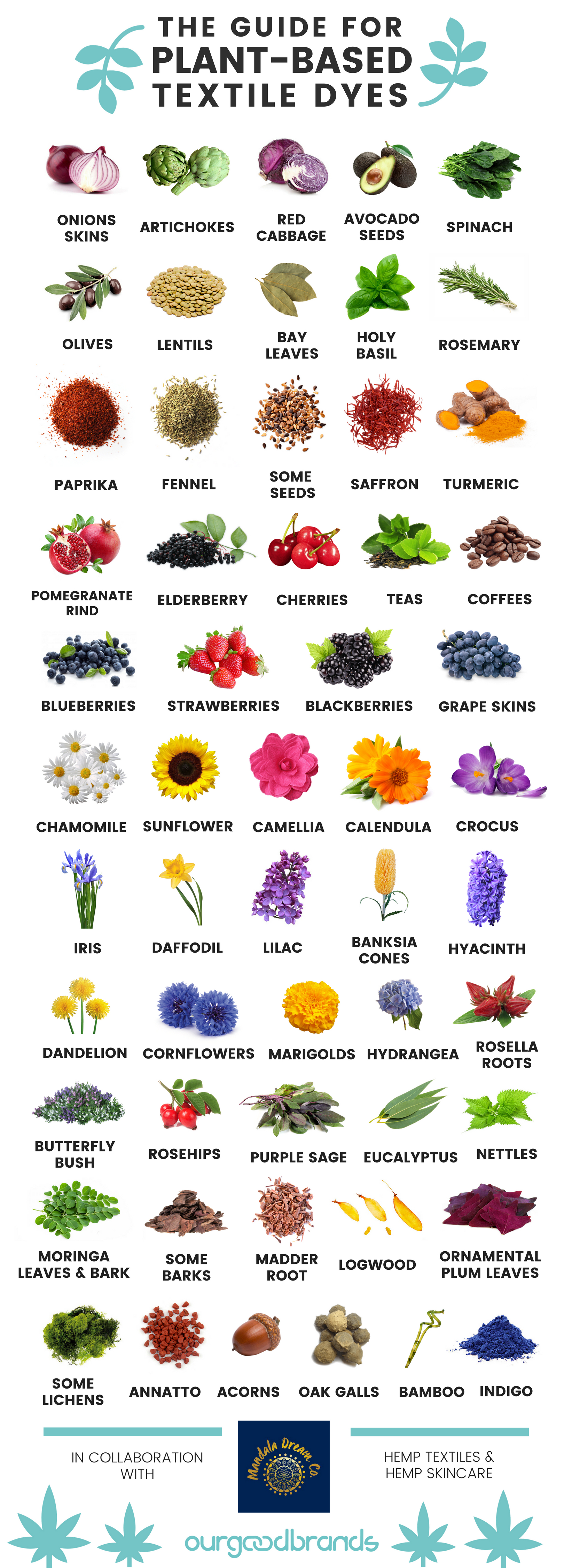
Common sources of natural colour include:
- onion skins
- indigo
- turmeric
- eucalyptus leaves
- avocado seeds
- pomegranate rind
- marigolds
- tea and coffee
- madder root
- red cabbage
- berries and flowers
Each material produces different colours depending on:
- water composition
- temperature
- fabric type
- mordants used
- soil conditions
- seasonal variation
This unpredictability is often viewed as part of the creative appeal of natural dyeing.
Are Natural Dyes Always Sustainable?
While plant-based dyes can reduce reliance on petrochemical colourants, sustainability also depends on scale, sourcing, water use, farming methods, and processing techniques.
Some natural dye systems require large quantities of plant material or additional mordants to achieve colourfastness. Certain mordants may also carry environmental or toxicity concerns if not carefully managed.
For this reason, many experts believe the future of lower-impact textile colouration may involve a combination of:
- cleaner synthetic dye technologies
- closed-loop water systems
- regenerative agriculture
- natural dye experimentation
- reduced fashion consumption overall
Rather than searching for a perfect solution, the focus is increasingly shifting toward continuous improvement, transparency, and lower-impact production systems.
Natural Dyeing as Craft and Experimentation
Natural dyeing is often described as part science, part creative practice.
Techniques can include:
- immersion dyeing
- fermentation
- solar dyeing
- eco-printing
- steaming
- botanical contact printing
Many textile artists document their experiments carefully, as small variations can dramatically alter the final result.
Unlike standardised industrial dye systems, natural dyeing embraces variation and imperfection — qualities increasingly valued within the slow fashion movement.
The Role of Consumer Choices in Fashion Sustainability
While innovation within the textile industry is important, consumer behaviour also plays a significant role in reducing environmental impact.
Simple shifts can make a meaningful difference over time:
- buying fewer, higher-quality garments
- repairing and caring for clothing
- choosing natural or certified materials
- supporting transparent brands
- shopping second-hand or vintage
- extending garment lifespan
Slow fashion encourages a move away from trend-driven consumption toward more intentional purchasing habits.
Brands Exploring Lower-Impact Dyeing and Materials
A growing number of brands and makers are experimenting with lower-impact materials, botanical dyes, and circular production systems.
Kantala
Kantala creates vegan handbags inspired by Sri Lankan craftsmanship using plant-based fibres and lower-impact dye methods alongside certified production standards.
Gold Is A Neutral
This Australian label works with traditional Ajrakh block-printing techniques using natural pigments sourced from roots, bark, fruit skins, and minerals.
Lenka Couture
Lenka Couture focuses on ethical bridalwear while exploring lower-waste production and botanical dye applications.
Lost Shapes
Lost Shapes produces hand-printed clothing using water-based inks free from many conventional solvent-based chemicals.
These brands reflect a broader shift toward slower, more transparent approaches to fashion production.
Final Thoughts
The future of fashion colouration will likely involve a combination of innovation, traditional knowledge, and more conscious consumption habits.
From plant-based dyes and lower-impact technologies to circular design and regenerative agriculture, the industry is gradually exploring alternatives to some of its most resource-intensive systems.
For consumers, small decisions still matter:
buying fewer, better-made garments, supporting transparent brands, caring for textiles properly, and extending product lifespan can collectively reduce environmental impact over time.
While no material or dyeing process is entirely impact-free, greater awareness and thoughtful innovation are helping shape a more responsible future for fashion.