The sports industry has emerged as a significant contributor to global plastic waste, yet it’s often overlooked compared to the likes of the fashion industry. Major sporting events are particularly problematic, generating millions of plastic items through single-use containers, packaging, and disposable merchandise.
Sports can’t thrive without a healthy environment, so we need to protect our surroundings if we want to continue to enjoy our hobbies. Here’s how we can minimize plastic use in sports and still enjoy our active pursuits.
Choose Sustainable Sportswear
More and more companies are embracing recycled or sustainable materials in their sportswear products, which makes it easier to reduce plastic use in what we wear. Not only does this make the manufacturing process greener but it also means that these products will biodegrade safely at the end of their lifespan. In addition to choosing eco-friendly materials like organic cotton, hemp, and bamboo, it’s also important that we make the effort to take proper care of our sports clothing to minimize wear and extend their use.

Extend the Life of Your Sports Kit
Sports equipment is not only expensive to replace but doing so means additional packaging and waste from throwing items away. Many products also rely heavily on petroleum-based plastics. Athletic shoes alone generate around 300 million pairs of non-biodegradable waste annually, while performance wear frequently incorporates synthetic materials that persist in environmental systems.
So, it pays to protect what we already have so we can continue to use it for as long as possible. That might mean investing in one-off products that enable us to practice in different ways, such as using a golf simulator at home to build your skills and reduce wear and tear on your golf clubs, as well as often removing the need for plastic golf balls entirely.
Rent or Borrow
If you’re new to a sport, or if you only require specific equipment occasionally, why not see if you can rent or borrow it from someone else rather than buying it new? Alternatively, you might be able to source the product you need secondhand which will save you money too. Where possible, look for equipment that’s no longer needed by someone else to prevent the item from going to landfill.
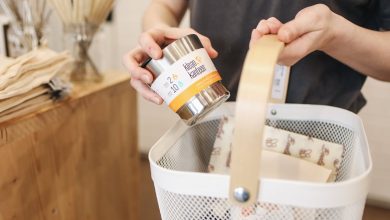
Buy a Reusable Water Bottle
Landfills in the USA are teeming with over 2 million tons of discarded water bottles. This means that making the swap to a reusable water bottle can make a difference to help bring those figures down. You’ll always be prepared for your workouts, which is a major benefit, but collective action also transforms individual choices into significant progress. The more people who make a small change like using a reusable water bottle, the bigger the impact will be. It also signals a demand for more sustainable products which will have a positive knock-on effect.
Avoid Processed Snacks Where Possible
Refuelling after working out is important to stay healthy and keep your body in peak condition, but unfortunately, many snacks we turn to, to boost our protein intake or up the carbs and electrolytes, are wrapped in plastic. These over-packaged items contribute to global plastic waste and often can’t be recycled. Where you can, choose homemade snacks that reduce plastic waste or look for brands who package their products in recyclable materials instead.
Promoting Sustainability In Sport: Key Practices For Eco-Friendly Venues
Choose the Right Activity
There’s no denying that some sports are naturally more sustainable and eco-friendly than others. Golf, for instance, generates substantial waste from plastic tees, balls, and packaging, while soccer contributes to plastic pollution through the use of plastic boots, shin guards, and single-use water bottles. Tennis, too, relies heavily on plastic, with racquet covers, strings, and ball cans adding to the waste problem.
So, if you’re really looking to reduce your carbon footprint, you might consider swapping to a different hobby. For example, running and hiking, outdoor climbing and cycling are all examples of sporting activities that don’t require purpose-built facilities and don’t need as much equipment as some other activities.
Give Back While You Work Out
Not every hobby can be made eco-friendly and plastic-free, so find ways to offset the damage by doing your bit for your local environment. For example, if you’re going out for a run, why not dedicate your cool-down at the end to picking up litter that you come across along the way? Or if you’re a keen surfer, sign up for beach clean-ups where you live to keep our beaches in better condition.
Local sports clubs can play a crucial role in promoting sustainable practices too. Why not encourage recycling initiatives and the use of reusable equipment at your local gym or fitness center, which can help to significantly reduce their environmental impact.
Reduce What You Buy
Whatever your sport of choice, whether it’s boxing, golf, soccer or swimming, there are always new products released onto the market that we want to try. But if we purchase every new running kit, pair of trainers or golf clubs that entice us, we run the risk of contributing to more waste—not only in the form of packaging but also in unused products that sit in our closet gathering dust.
Overconsumption is a major problem globally, and it can be hard not to engage with product launches without feeling like you’re missing out. But there is one solution—set yourself a budget for new kit or equipment each year. That way, it keeps the prospect of buying new items exciting, and ensures you won’t miss out when new products are released. Making new products more of a treat rather than an essential keeps unnecessary waste down while keeping your hobby fun.
The scale of plastic waste generated through sporting activities is staggering, from production and consumption to disposal. From professional stadium events to amateur activities, plastic has become deeply embedded in the sports ecosystem. But we can make changes that allow us to enjoy our favorite hobbies in a more sustainable way.
Implementing Zero-Waste Initiatives at Events: Challenges & Solutions