Discover how AI personal styling can help you rediscover your wardrobe, reduce unnecessary fashion purchases, and support a more sustainable approach to personal style.
Most of us own far more clothing than we actually wear. Research consistently suggests that the average person regularly wears only around 20–30% of their wardrobe, while the rest sits forgotten at the back of the closet—impulse purchases, one-time outfits, or pieces that simply never became favourites.
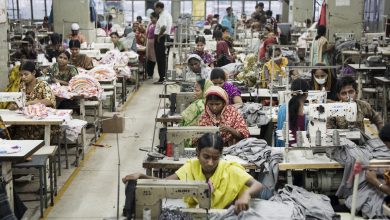
At the same time, the fashion industry continues to produce clothing at an extraordinary rate, with millions of garments discarded long before they’ve reached the end of their useful life.
One of the most sustainable choices we can make is to wear and appreciate the clothes we already own. Yet that’s often easier said than done. Rediscovering forgotten pieces, creating new outfit combinations, and building confidence in your wardrobe requires creativity and time—two things many of us don’t always have.
This is where a new generation of AI-powered styling tools is beginning to change the conversation around conscious fashion. Rather than encouraging people to buy more, these tools help users get more value, versatility, and enjoyment from the clothes already hanging in their wardrobes.
https://ourgoodbrands.com/capsule-wardrobe-top-outfit-combos-style/

The Real Challenge Isn’t Your Wardrobe—It’s Seeing Its Potential
When people say, “I have nothing to wear,” they rarely mean their wardrobe is empty. More often, they simply can’t see new possibilities within the clothes they already own.
Fast fashion thrives on this feeling. When existing outfits begin to feel repetitive, buying something new often seems like the easiest solution. A low-cost purchase can appear more appealing than spending time experimenting with different combinations.
Multiply that behaviour across millions of shoppers, and it’s easy to understand why the fashion industry produces well over 100 billion garments every year—many of which are worn only a handful of times.
Choosing fashion more consciously isn’t only about selecting organic cotton, recycled fibres, or ethically produced clothing. Those choices certainly matter, but reducing consumption in the first place is equally important. Sometimes sustainability begins by simply falling back in love with your existing wardrobe.
https://ourgoodbrands.com/how-companies-reduce-delivery-emissions
What AI Personal Styling Actually Does
Only a few years ago, digitally cataloguing your wardrobe was something mainly fashion bloggers or dedicated enthusiasts did. Today, artificial intelligence makes the process surprisingly simple.
By photographing your clothing, AI can organise your wardrobe, recognise colours, styles, and garment types, and suggest outfit combinations you may never have considered yourself.
Using an AI personal styling app like minniie, you can create a digital version of your wardrobe and receive personalised outfit recommendations based entirely on the clothes you already own. Much like working with a professional stylist, the technology helps uncover fresh combinations—but at any time and at a fraction of the cost.
Many AI styling tools now go beyond outfit creation. They can analyse your seasonal colour palette to identify shades that naturally complement your features, while some even offer virtual try-on features to help you visualise new purchases before committing.
This has important sustainability benefits.
Product returns represent one of fashion’s hidden environmental challenges. Many returned garments are never resold, while additional shipping increases transport-related emissions. By allowing shoppers to see whether an item suits their colouring and works with their existing wardrobe before purchasing, AI can help reduce unnecessary purchases, minimise returns, and keep more clothing in active use for longer.
Buying Less—But Buying Better
Perhaps the biggest surprise is that styling technology can actually help people become better shoppers—not simply people who shop less often.
When you have a clearer understanding of your wardrobe—what you own, what you wear regularly, which colours suit you, and where genuine gaps exist—purchasing decisions become far more intentional.
Instead of buying another similar jumper simply because it’s discounted, you may discover that your wardrobe would benefit more from one versatile, well-made piece that works effortlessly with several existing outfits.
This reflects the philosophy behind capsule wardrobes and slow fashion. The advice to buy less, choose well, and make it last has been shared for years. AI styling tools like minniie simply make those principles easier to put into practice for people without professional styling experience or hours to dedicate to outfit planning.
Simple Habits That Can Make a Difference
Building a more conscious wardrobe doesn’t require a complete overhaul. Small habits can have a lasting impact:
- Shop your own wardrobe first. Before buying something new, spend a few minutes creating fresh outfit combinations using clothes you already own. The piece you thought was missing may already be hanging in your wardrobe.
- Understand your best colours. Seasonal colour analysis can help narrow future purchases and ensure new items work harmoniously with your existing collection.
- Apply the “three outfit” rule. Before buying, ask yourself whether the item can be styled in at least three different ways using clothes you already own. If not, it may not be the most thoughtful purchase.
- Track what you actually wear. Simply becoming aware of your most frequently worn pieces often changes shopping habits. Many people are surprised by how small their true wardrobe rotation really is.
Technology in Service of Slow Fashion
Technology sometimes receives criticism within the sustainability space—and not without reason. Recommendation algorithms, one-click shopping, and endless product feeds have all contributed to increased consumption.
However, the same technology can also support more mindful behaviour.
When AI focuses on helping people maximise their existing wardrobes rather than constantly promoting new purchases, it shifts attention from “What should I buy?” to “What can I wear?”
That subtle change supports the principles of slow fashion and conscious consumption.
Clothes that we genuinely enjoy tend to be worn more often, cared for properly, repaired when needed, and kept for longer. Clothes we feel disconnected from are much more likely to be replaced.
If artificial intelligence can help more garments move from the second category into the first, it has the potential to become a valuable tool for building a more sustainable relationship with fashion.
https://ourgoodbrands.com/guide-create-sustainable-wardrobe-budget/
Thoughtful Technology Can Support More Conscious Fashion
Artificial intelligence is often associated with faster consumption, but it can also encourage more mindful habits when designed with sustainability in mind. By helping people rediscover what they already own, reduce impulse purchases, and make better-informed buying decisions, AI has the potential to become a practical tool for supporting circular fashion and extending the life of our wardrobes. Like any technology, its impact ultimately depends on how we choose to use it.
Final Thoughts
The next time you’re tempted by a seasonal trend or limited-time sale, pause for a moment before adding something new to your basket.
Open your wardrobe, look at it with fresh eyes, and ask yourself what new combinations might already be waiting there.
You may discover that your wardrobe contains far more possibilities than you realised—and that buying less can often help you enjoy your clothes much more.
Disclaimer
This article is provided for general informational and educational purposes only. References to AI styling tools, apps, or brands are included as examples and do not constitute endorsements. Individual experiences and results may vary depending on personal preferences, wardrobe contents, and how digital styling tools are used. Readers are encouraged to make informed purchasing decisions based on their own needs and values.