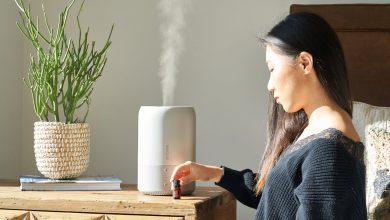
Discover the best essential oils for stress relief, including lavender, bergamot, frankincense, and cedarwood. Learn calming diffuser blends, restorative rituals, grounding routines, and how to create more emotionally supportive daily rhythms.
Modern life can often feel emotionally demanding, mentally overstimulating, and constantly rushed. Busy schedules, digital overload, emotional pressure, work responsibilities, and ongoing notifications can make it difficult to fully slow down and reconnect with moments of calmness throughout the day.
Because of this, many people are intentionally creating gentler routines that support emotional wellbeing, stress relief, and restorative living. These practices are rarely about perfection or escaping responsibility entirely. More often, they involve creating quieter moments of pause, reflection, comfort, and emotional reset within everyday life.
Simple rituals such as preparing tea slowly, dimming lights, reducing digital stimulation, journaling, taking baths, reading quietly, or creating softer home environments can all contribute to more emotionally supportive daily rhythms.
Essential oils are frequently incorporated into these routines because scent can help shape atmosphere and emotional experience in subtle but grounding ways. Certain aromas are commonly associated with calmness, emotional steadiness, comfort, and relaxation, making them popular additions to restorative self-care and mindful wellbeing practices.
While essential oils are not a replacement for professional mental health support or medical care, many people use them as supportive tools within broader emotional wellbeing and stress management routines.
In this comprehensive guide, we explore the best essential oils for stress relief, calming diffuser blends, grounding rituals, emotional reset practices, safety considerations, and how to create more restorative daily environments overall.

For readers interested in deeper sensory rituals and immersive emotional wellbeing practices, House of Witchcraft also explores the relationship between atmosphere, scent, stillness, and intentional living through slower ritual frameworks and reflective environments.
Why People Use Essential Oils for Stress Relief
Scent is closely connected to mood, atmosphere, emotional memory, and sensory experience. Certain aromas may help create environments that feel calmer, softer, quieter, and more emotionally restorative throughout everyday life.
For many people, essential oils become part of:
- emotional reset rituals
- mindfulness routines
- calming evening practices
- restorative self-care habits
- meditation spaces
- cozy home environments
- reflective journaling rituals
- slower living routines
Rather than acting as instant emotional solutions, essential oils are typically used to support broader wellbeing practices focused on reducing overstimulation and encouraging emotional calmness.
If you’re new to aromatherapy, it can help to first understand how essential oils are sourced, extracted, and used safely.
The Best Ethically Made Organic Essential Oils: A Complete Guide to Natural Healing
Best Essential Oils for Stress Relief
Where to Buy These Essential Oils
We recommend two transparent, ethically minded brands for every oil below — choose whichever suits you on price, scent and shipping. These are affiliate links: if you buy through them, Our Good Brands may earn a small commission at no extra cost to you.
| Essential Oil | Best For | Jade Bloom | Plant Therapy |
|---|---|---|---|
| Lavender | Relaxation & emotional calmness | Shop → | Shop → |
| Bergamot | Emotional ease & gentle reset | Shop → | Shop → |
| Cedarwood | Grounding & emotional steadiness | Shop → | Shop → |
| Frankincense | Reflection & stillness | Shop → | Shop → |
| Roman Chamomile | Comfort & soft relaxation | Shop → | Shop → |
| Vetiver | Deep grounding & quiet rituals | Shop → | Shop → |
Essential Oils Overview Table
| Essential Oil | Aroma Profile | Commonly Used For | Blends Well With |
| Lavender | Soft floral | Relaxation and emotional calmness | Bergamot, cedarwood |
| Bergamot | Gentle citrus | Emotional ease and reset | Lavender, clary sage |
| Cedarwood | Warm woody | Grounding and emotional steadiness | Vetiver, frankincense |
| Frankincense | Resinous and rich | Reflection and stillness | Sandalwood, cedarwood |
| Chamomile | Soft floral | Comfort and relaxation | Lavender, bergamot |
| Vetiver | Deep earthy | Emotional grounding and quiet rituals | Cedarwood, lavender |
Lavender Essential Oil
Lavender is one of the most widely used essential oils associated with emotional calmness and relaxation.
Its softer floral aroma is especially popular in:
- emotional reset routines
- calming evening rituals
- nighttime diffuser blends
- restorative self-care practices
Many people find lavender approachable because of its gentle and familiar scent profile.
Lavender blends especially well with:
- bergamot
- chamomile
- cedarwood
- frankincense
House of Witchcraft also explores lavender within slower evening rituals, reflective nighttime atmospheres, and sensory wellbeing routines designed to encourage emotional stillness.
Bergamot Essential Oil
Bergamot has a balanced citrus aroma commonly associated with emotional ease and gentle upliftment.
Unlike sharper citrus oils, bergamot is often described as softer and more grounding.
It is frequently incorporated into:
- emotional reset rituals
- calming morning routines
- journaling practices
- reflective self-care rituals
Bergamot blends especially well with:
- lavender
- clary sage
- chamomile
Cedarwood Essential Oil
Cedarwood has a warm woody aroma commonly associated with grounding and emotional steadiness.
Many people incorporate cedarwood into:
- slower evening routines
- mindfulness rituals
- cozy nighttime environments
- reflective meditation practices
Its grounding aroma is often used to create calmer and emotionally restorative atmospheres.
Cedarwood blends especially well with:
- frankincense
- lavender
- vetiver
- sandalwood
Frankincense Essential Oil
Frankincense has a rich resinous aroma commonly associated with reflection, stillness, and emotional grounding.
It is especially popular in:
- meditation rituals
- calming evening practices
- breathwork routines
- emotionally restorative self-care rituals
Many people use frankincense to help create slower and quieter environments during emotionally demanding periods.
Frankincense blends especially well with:
- cedarwood
- lavender
- sandalwood
House of Witchcraft also explores frankincense through grounding rituals, atmospheric evening spaces, and reflective sensory practices focused on stillness and emotional depth.
Chamomile Essential Oil
Chamomile essential oil has a gentle floral aroma commonly associated with comfort and emotional softness.
It is frequently incorporated into:
- calming bath rituals
- nighttime wind-down routines
- restorative self-care habits
- emotionally supportive evening practices
Chamomile blends especially well with:
- lavender
- bergamot
- cedarwood
Vetiver Essential Oil
Vetiver has a deep earthy aroma commonly associated with grounding and emotional steadiness.
Its rich scent profile is often incorporated into:
- emotional grounding rituals
- meditation routines
- quiet evening environments
- reflective self-care practices
Because vetiver has a heavier aroma, it is commonly balanced with softer floral or citrus oils.
Vetiver blends especially well with:
- cedarwood
- bergamot
- lavender
Best Diffuser Blends for Stress Relief
Diffuser Blend Table
| Blend Name | Essential Oils | Best Used For |
| Emotional Reset Blend | Lavender + Bergamot + Cedarwood | Calming overstimulating days |
| Reflective Evening Blend | Frankincense + Cedarwood + Vetiver | Slower nighttime rituals |
| Cozy Comfort Blend | Chamomile + Lavender + Sweet Orange | Emotional softness and comfort |
| Quiet Mind Blend | Lavender + Frankincense + Bergamot | Journaling and mindfulness |
Emotional Reset Blend
- 3 drops lavender
- 2 drops bergamot
- 2 drops cedarwood
A calming blend commonly used after mentally demanding or overstimulating days.
Reflective Evening Blend
- 3 drops cedarwood
- 2 drops frankincense
- 1 drop vetiver
Popular for journaling, meditation, or slower evening routines.
Cozy Comfort Blend
- 3 drops chamomile
- 2 drops lavender
- 2 drops sweet orange
Often used to create softer and more emotionally comforting environments.
Quiet Mind Blend
- 2 drops lavender
- 2 drops frankincense
- 2 drops bergamot
Frequently incorporated into mindfulness or reflective self-care rituals.
House of Witchcraft also explores how layered scent combinations, softer lighting, and sensory atmosphere can contribute to emotionally grounding evening rituals and immersive restorative environments.
How to Use Essential Oils for Stress Relief
There are several practical ways people incorporate essential oils into emotionally supportive routines.
Diffusers
Diffusers are one of the simplest ways to create calmer and more restorative home environments.
Many people diffuse oils:
- during evening routines
- while journaling
- during meditation
- after stressful workdays
- while reading or resting
https://ourgoodbrands.com/essential-oils-for-anxiety-and-emotional-wellness
Bath Rituals
Essential oils are frequently incorporated into calming bath rituals to encourage slower transitions into relaxation and emotional reset.
Because oils are highly concentrated, they should always be diluted appropriately before skin contact.
Mindfulness and Meditation Practices
Grounding oils such as frankincense, cedarwood, and vetiver are commonly paired with breathwork, meditation, and reflective practices focused on emotional stillness.
Creating Slower Daily Rhythms
Many people combine aromatherapy with:
- reduced screen exposure
- softer lighting
- calming music
- journaling
- quiet reading
- slower evening routines
- intentional moments of pause
This broader sensory approach often helps create more emotionally restorative daily rhythms overall.
Practical Stress Relief Rituals
Stress Relief Rituals Table
| Ritual | How Essential Oils May Be Used |
| Evening Bath | Add diluted lavender or chamomile blends |
| Journaling Practice | Diffuse grounding oils nearby |
| Quiet Reading Routine | Use calming evening diffuser blends |
| Meditation Session | Pair frankincense with breathwork |
| Cozy Wind-Down Ritual | Combine softer lighting with calming aromas |
A Simple Emotional Reset Routine
1. Reduce Overstimulation
Dimming lights and stepping away from screens can help encourage emotional decompression.
2. Diffuse a Grounding Blend
Lavender, cedarwood, and bergamot are commonly used for emotional reset routines.
3. Create Quiet Atmosphere
Soft music, blankets, herbal tea, or candlelight can all contribute to more calming sensory environments.
4. Add Reflective Practices
Journaling, meditation, or mindful breathing may help encourage emotional awareness and stillness.
5. Slow the Evening Pace
Many people find that intentionally slowing evening routines supports emotional wellbeing and restorative rest.
What to Look for When Buying Essential Oils
Not all essential oils are produced to the same standard. Quality can vary significantly depending on sourcing, extraction methods, transparency, and formulation.
Quality Considerations Table
| What to Look For | Why It Matters |
| Botanical Naming | Helps confirm plant authenticity |
| Ingredient Transparency | Reduces confusion around synthetic additives |
| Ethical Sourcing | Supports responsible supply chains |
| Dark Glass Bottles | Helps preserve oil quality |
| Extraction Method | Can affect aroma and purity |
When choosing essential oils, consider:
- ingredient transparency
- ethical sourcing
- botanical naming
- extraction methods
- packaging quality
- whether oils are diluted or pure
Dark glass bottles are generally preferred because they help preserve aromatic quality over time.
Sustainability and Ethical Sourcing
As consumer interest in aromatherapy grows, sustainability and ethical sourcing are becoming increasingly important.
Some essential oil plants face:
- overharvesting
- habitat pressure
- unsustainable farming practices
When possible, look for brands that prioritise:
- responsible sourcing
- transparency
- fair trade partnerships
- sustainable harvesting
- environmental responsibility
This is especially important for oils such as frankincense and sandalwood, where sourcing practices can vary widely.
At Our Good Brands, we encourage readers to prioritise transparency and long-term sustainability over marketing hype or unrealistic wellness promises.
Are Essential Oils Safe?
Essential oils are highly concentrated plant extracts and should always be used carefully.
Essential Oil Safety Table
| Safety Consideration | Why It Matters |
| Dilution | Essential oils are highly concentrated |
| Patch Testing | Helps reduce skin sensitivity risks |
| Pet Safety | Some oils may not be suitable around animals |
| Pregnancy Considerations | Certain oils require extra caution |
| Ventilation | Important when diffusing oils indoors |
Important safety reminders include:
- always dilute oils before topical use
- avoid direct eye contact
- keep oils away from children and pets
- follow diffuser instructions carefully
- patch test topical blends first
- consult healthcare professionals where appropriate
Essential oils should not be viewed as medical treatments for chronic stress, anxiety disorders, or mental health conditions.
Frequently Asked Questions
What are the best essential oils for stress relief?
Lavender, bergamot, cedarwood, frankincense, chamomile, and vetiver are among the most commonly used essential oils associated with emotional calmness and stress relief rituals.
Can essential oils help reduce stress naturally?
Many people use essential oils to support calming routines and emotionally restorative environments. However, they should not replace professional support for chronic stress or mental health concerns.
Which essential oils are best after a stressful day?
Lavender, cedarwood, frankincense, and chamomile are frequently used during evening wind-down routines and emotional reset rituals.
What are the best diffuser blends for stress relief?
Popular blends often combine lavender, bergamot, cedarwood, chamomile, or frankincense to create calming and grounding environments.
How can I create a more calming home atmosphere?
Reducing overstimulation, using softer lighting, incorporating grounding aromas, and building slower evening rituals can all contribute to more emotionally restorative environments.
Practical Takeaways
-
- Lavender remains one of the most popular essential oils for stress relief
- Grounding oils such as cedarwood and vetiver can help create calmer emotional environments
- Diffuser blends can support emotionally restorative rituals and slower daily rhythms
- Essential oils work best alongside broader stress management and wellbeing practices
- Ethical sourcing, quality, and safe usage practices matter when choosing oils
Where to Buy These Essential Oils
We recommend two transparent, ethically minded brands for every oil below — choose whichever suits you on price, scent and shipping. These are affiliate links: if you buy through them, Our Good Brands may earn a small commission at no extra cost to you.
| Essential Oil | Best For | Jade Bloom | Plant Therapy |
|---|---|---|---|
| Lavender | Relaxation & emotional calmness | Shop → | Shop → |
| Bergamot | Emotional ease & gentle reset | Shop → | Shop → |
| Cedarwood | Grounding & emotional steadiness | Shop → | Shop → |
| Frankincense | Reflection & stillness | Shop → | Shop → |
| Roman Chamomile | Comfort & soft relaxation | Shop → | Shop → |
| Vetiver | Deep grounding & quiet rituals | Shop → | Shop → |
Conclusion
Essential oils can become a thoughtful addition to calming routines, emotional reset rituals, and restorative self-care practices. Whether used in diffuser blends, bath rituals, meditation routines, or quiet evening habits, scent often plays a subtle role in shaping atmosphere, comfort, and emotional wellbeing.
Rather than focusing on perfection, many people use aromatherapy as part of slower and more intentional daily rhythms that encourage emotional steadiness, reflection, and moments of calmness throughout busy lives.
For readers interested in deeper sensory rituals, immersive atmosphere, and emotionally grounding spaces, House of Witchcraft also explores the relationship between scent, stillness, ritual, and intentional living through reflective sensory practices and slower evening environments.
For readers seeking slower and more intentional approaches to emotional wellbeing, House of Witchcraft also explores the relationship between atmosphere, rest, and emotional recovery through Slow Evenings as Emotional Restoration.