With increasing concerns about climate change and environmental sustainability, the impact of everyday consumer choices—such as the groceries we buy—has become more apparent. What we eat, where we buy it from, and how it’s packaged all contribute to our individual carbon footprints.
Groceries, which encompass everything from fresh produce to frozen meals, can have a wide-ranging effect on the planet. By understanding the environmental impact of these choices, consumers can make more informed decisions that benefit both their health and the environment.
The Carbon Footprint of Food Production
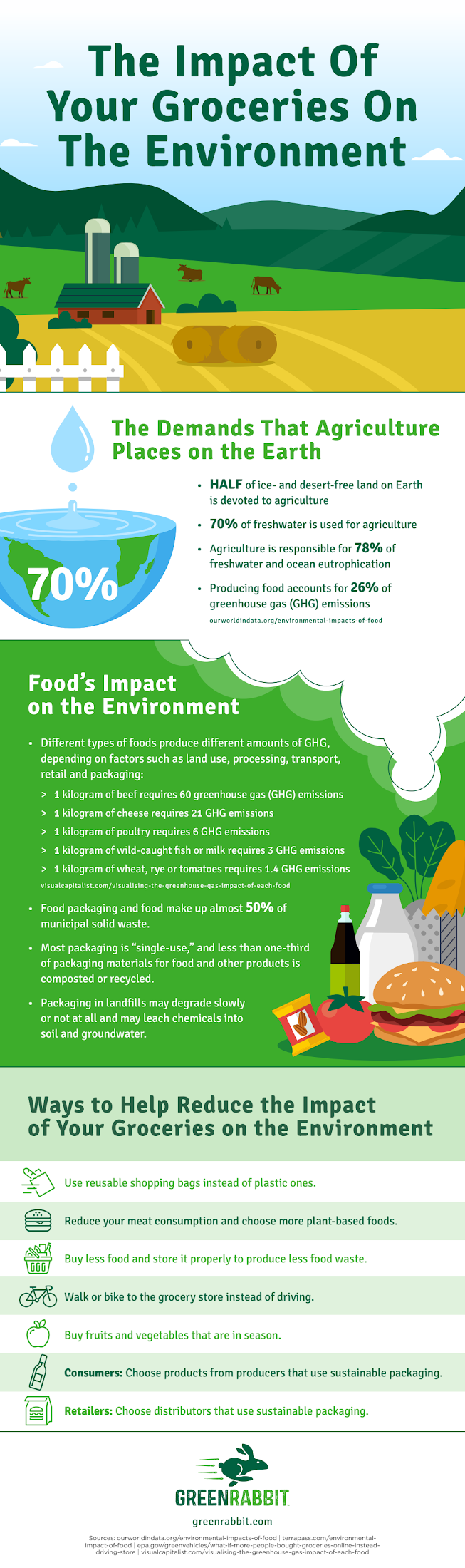
The production of food is a major contributor to global greenhouse gas emissions. Farming practices, transportation, storage, and even processing can have a significant environmental impact. For example, producing meat and dairy generally leads to higher carbon emissions compared to plant-based foods. Livestock farming contributes to methane emissions, deforestation, and land degradation. On the other hand, plant-based food production tends to have a lower carbon footprint, but still requires careful consideration of resource use, such as water and soil quality.
As consumers become more aware of these issues, there has been a noticeable shift toward purchasing foods that are sourced sustainably. This includes opting for organic produce, buying from local farmers, and reducing reliance on foods that have a heavy environmental impact. Small changes in dietary habits, like cutting down on meat consumption, can significantly reduce the carbon footprint of one’s groceries.
How to minimize the carbon footprint in your diet (even as a vegetarian)

The Role of Food Packaging in Sustainability
While the food itself plays a significant role in environmental impact, the packaging it comes in can’t be ignored. Traditional packaging materials, such as plastics, contribute to landfill waste, ocean pollution, and significant carbon emissions during production and disposal. As awareness of these issues grows, more consumers are demanding eco-friendly packaging solutions.
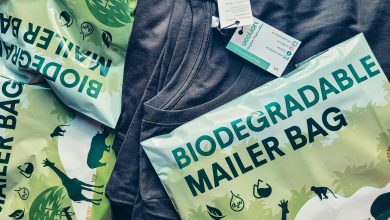
Sustainable packaging options, such as biodegradable materials, recycled plastics, or reusable containers, are becoming more popular in the grocery industry. These alternatives reduce waste and the energy required to produce and transport goods. For example, many brands have begun using sustainable frozen food packaging that is made from renewable resources, reducing both waste and energy consumption. Consumers can look for certifications or labels that indicate a product’s packaging is eco-friendly, making it easier to choose groceries that align with environmental values.
Food Miles and Local Shopping
The distance food travels from its place of origin to the store, commonly known as “food miles,” is another significant factor in the environmental impact of groceries. Transporting food across long distances consumes large amounts of fuel and energy, increasing carbon emissions. This is especially true for perishable goods that require refrigeration or frozen storage during transport.
Shopping locally can help reduce food miles and lower the overall environmental impact of your groceries. Farmers’ markets and local grocers typically source products from nearby farms, meaning the food has traveled a shorter distance to reach your plate. Additionally, locally grown produce is often fresher and requires fewer preservatives or packaging.
The Importance of Reducing Food Waste
Food waste is one of the largest contributors to environmental degradation. When food is wasted, not only is the food itself wasted, but so are the resources that went into producing, transporting, and storing it. Moreover, when organic matter like food waste decomposes in landfills, it produces methane, a potent greenhouse gas.
To combat this, consumers can take several steps to reduce food waste in their households. Planning meals in advance, buying only what’s necessary, and properly storing food to extend its shelf life are all effective strategies. Freezing excess food is also a great way to preserve it for longer periods. Thanks to advancements in sustainable frozen food packaging, storing food in the freezer has become more eco-friendly. This means that households can reduce waste while also minimizing the environmental impact of the packaging itself.
Choosing Eco-Friendly Brands
As sustainability becomes more important to consumers, many grocery brands are stepping up their efforts to offer environmentally friendly options. Whether it’s through sourcing organic ingredients, using sustainable packaging, or reducing food miles, brands are finding ways to appeal to the eco-conscious shopper. Consumers have the power to support these brands by choosing products that prioritize sustainability.
Researching brands and looking for certifications like USDA Organic, Fair Trade, or Rainforest Alliance can help guide these decisions. Furthermore, some companies have started to offer products in reusable or refillable containers, which further reduces packaging waste.
The groceries we buy have a profound impact on the environment, but with mindful shopping and a focus on sustainability, we can reduce our individual carbon footprints. From supporting local food producers to opting for eco-friendly packaging, every decision we make as consumers counts. By making conscious choices about what we eat and how it’s packaged, we can all contribute to a healthier planet while enjoying the foods we love. To learn more, check out the infographic below.