Pools have long symbolized a retreat from summer heat. However, beneath the surface of that sparkling water lies a lesser-known concern. The same chemicals that keep pools clean can also become airborne threats.
While disinfectants like chlorine are widely used for their effectiveness against pathogens, their interaction with organic matter and the environment can create harmful byproducts. These airborne compounds do not just linger poolside. They can affect anyone nearby, especially the lungs of swimmers, lifeguards, and maintenance staff.
The Chemical Chain Reaction
Chlorine, bromine, and other disinfectants work by oxidizing contaminants in water. This reaction is essential for preventing waterborne illness. However, when these chemicals interact with sweat, body oils, urine, and debris, they form disinfection byproducts. One group of these byproducts, chloramines, is particularly volatile. Chloramines can escape from the water surface into the surrounding air and irritate the respiratory system. The impact is often stronger in indoor pool settings, where ventilation systems may not be optimized to handle continuous chemical off-gassing.
For individuals who spend extended periods near pools, such as competitive swimmers or staff, symptoms like coughing, wheezing, throat irritation, and shortness of breath can become frequent. Studies have observed that repeated exposure to chlorinated environments can worsen asthma and even lead to new-onset respiratory issues in children. In some cases, lung function tests show measurable declines among those regularly exposed, especially in spaces where chemical levels are poorly regulated.
Protect Your Health with Clean Water: Solving Household Water Challenges

Children and Vulnerable Populations Face Greater Risk
Younger swimmers, especially those under the age of ten, are more susceptible to chemical exposure. Their lungs are still developing, and their respiratory systems are not as capable of filtering out airborne contaminants. Moreover, they tend to spend more time in shallow areas, closer to the water surface, where chloramine concentrations can be highest. Children also tend to inhale more air per pound of body weight than adults, increasing their relative exposure. This is not a concern isolated to professional athletes or highly chlorinated facilities. Even backyard pools, if not properly maintained, can accumulate byproducts that irritate lungs.
The same vulnerability applies to individuals with chronic respiratory conditions. Asthma, bronchitis, and allergic sensitivities can all be aggravated by frequent exposure to pool chemicals. In some studies, lifeguards reported asthma-like symptoms at higher rates than peers in other occupations, highlighting the significance of repeated inhalation of chemical-laden air.
Ventilation and Air Quality Matter
The way a pool facility is designed plays a critical role in the distribution of airborne irritants. Many older indoor pools were not engineered with modern air exchange systems in mind. As a result, chloramines tend to hover just above the water surface where people breathe. Newer systems, especially those used in high-efficiency buildings, strive to push air horizontally across the pool or exhaust it at lower levels to reduce accumulation near swimmers. Yet, without regular maintenance, even the best systems can become ineffective.
Outdoor pools are less affected by this issue, thanks to natural airflow. However, high use and warm temperatures can still encourage chemical buildup, especially on windless days. Awareness of this factor should influence where and how people choose to swim. For indoor pools, transparency around maintenance schedules, chemical testing, and air quality standards could help users make informed decisions.
A Role for More Sustainable Pool Management
Sustainability in pool maintenance means more than conserving water or using less energy. It also involves reducing chemical dependency and improving the health profile of the environment. Advances in filtration technology, ultraviolet disinfection, and saltwater systems present alternatives to traditional chlorine-heavy methods. While not perfect, these systems reduce the formation of chloramines and lessen the airborne burden on lungs. Some pool operators are adopting these solutions to protect staff and guests without sacrificing cleanliness.
The material choices used in pool plumbing and infrastructure can also support sustainable practices. Products such as Lesso pipe fittings offer durability and chemical resistance, contributing to the overall safety and efficiency of the pool’s mechanical systems. Long-lasting and low-leak materials reduce the need for frequent maintenance or replacement, cutting down on resource waste over time.
Slow Living Through Menopause: Embracing Mindfulness and Minimalism
An Issue That Deserves Attention
Lung irritation caused by pool chemicals is not an isolated phenomenon. It represents a broader challenge that sits at the intersection of public health, infrastructure design, and environmental responsibility. While the symptoms may seem mild or temporary, the long-term effects on vulnerable individuals are worth serious consideration. With improved regulation, better technology, and more informed public awareness, pool environments can evolve to meet both safety and sustainability standards.
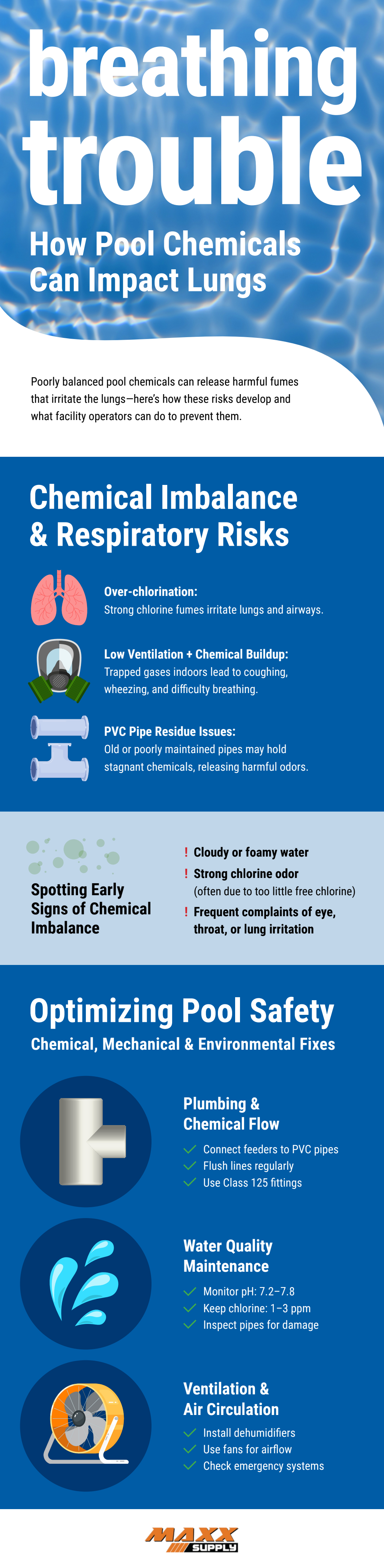
Choosing how we maintain recreational water spaces reflects how we balance hygiene, health, and environmental stewardship. The goal is not to eliminate pool chemicals entirely but to manage them wisely. Cleaner air around cleaner water benefits everyone, whether you swim laps daily or simply sit poolside watching your children play. Look over the accompanying infographic to learn more.


![Top 10 organic toothpaste brands made with healthy ingredients [Ultimate Guide]](https://test.ethicalbrandsguide.com/wp-content/uploads/2021/10/top-fluoride-free-organic-toothpaste-brands-6-390x220.jpg)