We look at the sustainable side for hemp-derived CBD products. What’s the environmental impact and advantages of these medicinal plants?
In recent years, the popularity of hemp-derived cannabidiol (CBD) products has surged. This rise is intertwined with consumer interest in sustainable and environmentally friendly products. To assess the sustainability of these products, it is essential to understand their agricultural roots and the manufacturing processes involved. For instance, exploring specific products like those found at Spruce can provide insight into the innovations in hemp-derived varieties that emphasize quality and sustainability.
Hemp Cultivation and Environmental Impact
Hemp plants are lauded for their environmental benefits, notably their carbon sequestration capabilities. Remarkably, hemp can absorb about 15 tonnes of CO2 per hectare, far surpassing the average absorption by forest ecosystems. This significant capability positions hemp as a critical player in mitigating climate change.
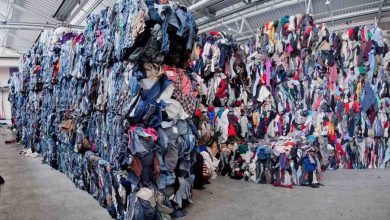
Compared to traditional crops such as cotton, hemp requires considerably less water, about 30% less, highlighting its potential for cultivation in varied climatic conditions. For example, while cotton demands approximately 9,758 liters of water per kilogram produced, hemp significantly reduces this requirement, aiding water conservation efforts. Furthermore, hemp improves soil health by enriching it with nutrients and boosting its microbial content, which can enhance the growth of subsequent crops planted in the same soil.
Regions like Colorado and Kentucky have demonstrated successful sustainable hemp cultivation. They leverage organic farming techniques that minimize chemical inputs, thus maintaining ecological balance and enhancing biodiversity.
Top CBD Oil Brands Made with Hemp [Ultimate guide]

The Sustainability of Hemp-Derived CBD Production
Extraction
Depending on the methods used, extracting CBD from hemp can be energy-intensive. However, advancements in technology and processes are continually reducing the energy consumption and emissions associated with these extractions. The industry is moving towards greener methods, such as supercritical CO2 extraction, which is less environmentally harmful than solvent-based extraction methods.
Organic farming practices are increasingly adopted by hemp growers to enhance sustainability further. These practices minimize chemical pesticides and fertilizers, reducing the crop’s environmental impact and enhancing its appeal to eco-conscious consumers.
Advantages of Locally Grown Hemp
Using CBD products made from locally grown hemp offers numerous benefits that extend beyond its environmental impact.
By supporting local farmers and businesses, communities can stimulate their economies and create jobs in agriculture, processing, and retail sectors. Additionally, local hemp cultivation reduces the carbon footprint associated with transportation, as the shorter supply chains mean less fuel consumption and fewer emissions. This proximity also ensures fresher, higher-quality products for consumers, as the time between harvest and sale is minimized.
Furthermore, local hemp farming fosters a sense of community and sustainability, encouraging environmentally responsible practices and resilience against global market fluctuations.
Market Analysis and Consumer Demand
The market for hemp-derived products is experiencing robust growth. Current estimates suggest a multi-billion-dollar industry, with projections indicating continued expansion as legal barriers are progressively dismantled and consumer awareness grows. This market evolution is partly driven by consumer demand for more sustainable and eco-friendly products.
Legal Framework and Industry Standards
The legal landscape for hemp cultivation and the production of CBD products is complex and varies by jurisdiction. However, there is a trend towards more supportive legal frameworks that recognize hemp’s agricultural and economic benefits. Industry standards and certifications are also becoming more prevalent, providing consumers with assurance regarding the sustainability and quality of hemp products.
Challenges and Future Directions
Despite its potential, the hemp industry faces several challenges, including regulatory hurdles and market saturation. As more players enter the market, differentiation becomes challenging, and companies must innovate to stay competitive.
The future potential of hemp as a sustainable crop is significant. Innovations in hemp cultivation and product development can further enhance its environmental benefits and market appeal.
Final Thoughts
The sustainability of hemp-derived CBD products is intricately linked to their environmental, economic, and social impacts. While the industry faces challenges, the potential benefits of hemp as a sustainable crop are clear.
Continued support for research and innovations in cultivation and production processes will be essential to leverage hemp’s sustainability potential fully. This comprehensive approach will help ensure that hemp products contribute positively to environmental sustainability while meeting growing consumer demand.