
In recent years, sustainability has become a crucial factor in our daily decisions, and hair care is no exception. Traditional hair care routines often involve numerous products and plastic packaging, which can contribute to environmental pollution. Transitioning to a more eco-friendly approach doesn’t mean compromising on style or quality—it just means choosing smarter, sustainable options. Here are some practical ideas to make your hair care routine greener without sacrificing your hair’s health or appearance.
1. Opt for Solid Shampoo and Conditioner Bars
One of the easiest swaps for a more sustainable hair care routine is to switch from liquid to solid shampoo and conditioner bars. These bars are typically packaged in minimal or recyclable materials, eliminating plastic waste. Additionally, because they’re waterless, they are more compact and last longer than traditional liquid products. Look for brands that use natural ingredients and avoid harmful chemicals like sulfates and parabens, which can strip hair and harm the environment.
2. Choose Refillable or Bulk Options
If you prefer liquid shampoo and conditioner, look for refillable or bulk options. Many eco-conscious brands now offer refill stations or larger containers to reduce packaging waste. Buying in bulk can also save money in the long run and reduce the need for frequent purchases. Some stores even allow you to bring your own containers for refills, making it easy to keep your plastic footprint low.
3. Limit Washing Frequency
Washing your hair less often saves water and reduces the need for shampoo and conditioner. Over-washing can strip the scalp of natural oils, leading to dryness and requiring even more products for hydration. Instead, try stretching the time between washes and using dry shampoo to absorb excess oil. This not only helps the environment but also promotes a healthier scalp and stronger hair.

4. Use Eco-Friendly Hair Tools
Conventional hair tools, like plastic brushes and combs, can take centuries to decompose. Swap these for sustainable alternatives made from bamboo or recycled materials, which are biodegradable and often sturdier. Additionally, look for heat-styling tools with energy-saving features, like auto shut-off functions, which help reduce electricity use.
5. Sustainable Care of your Hair Extensions
When choosing affordable high-quality hair extensions, look for brands that prioritize ethical sourcing, fair labor practices, and sustainability. High-quality extensions last longer, reducing the frequency of replacement and overall waste. Remy hair, which preserves the natural direction of the hair cuticle, tends to last longer and look more natural, making it a sustainable choice if maintained well. There are also synthetic extensions made from eco-friendly fibers if you’re looking for an alternative to natural hair.
6. Embrace DIY Hair Masks and Treatments
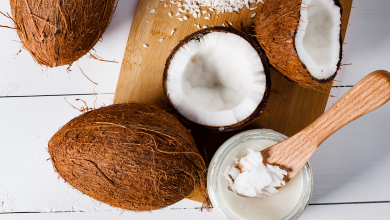
Rather than buying pre-packaged hair masks, which can be costly and come in single-use containers, consider making your own using ingredients from your kitchen. Simple ingredients like coconut oil, avocado, honey, and yogurt can work wonders for moisturizing and strengthening hair. Not only is this approach zero-waste, but it also ensures that you’re using pure, chemical-free treatments.
7. Choose Non-Toxic, Cruelty-Free Products
Sustainable hair care isn’t just about packaging—it’s also about what’s inside the bottle. Many hair products contain harmful chemicals that aren’t biodegradable and can pollute water systems. Opt for brands that use non-toxic, plant-based ingredients and avoid animal testing. Labels like “cruelty-free,” “vegan,” and “eco-friendly” are good indicators of brands that prioritize the environment.
8. Recycle or Repurpose Empty Containers
When you do finish a product, be sure to recycle its container properly. Rinse out bottles, remove any labels, and check if they are accepted by your local recycling program. For containers that aren’t recyclable, consider repurposing them—clean shampoo bottles, for example, can be turned into plant pots, and tubs can be used for storage.
9. Support Sustainable Brands
When choosing hair care products, look for companies that prioritize sustainability in their operations. Many brands now use eco-friendly practices, like sourcing fair-trade ingredients, using renewable energy in manufacturing, and committing to zero-waste goals. By supporting these brands, you’re encouraging the industry to move towards greener practices.
10. Reduce Product Usage
It’s tempting to use multiple products to achieve that salon-perfect look, but too many products can be excessive for your hair and the environment. Focus on a minimalist approach—use products that are multi-functional, such as leave-in conditioners that also offer heat protection, or styling creams that add moisture. Simplifying your routine helps reduce waste and keeps your hair healthy by avoiding product buildup.
11. Practice Eco-Conscious Habits in the Shower
Water conservation is a key aspect of sustainability. Try reducing shower time to cut down on water use. Turning off the water while you’re applying shampoo or conditioner and taking shorter showers can make a significant difference.
12. Reduce Heat Styling
Frequent heat styling not only damages hair but also uses a significant amount of energy. Try embracing your natural texture, or use heatless styling methods like braids or twists to create curls and waves. If you do use a blow dryer, curling iron, or straightener, try to limit usage and look for energy-efficient tools that consume less power.
Final Thoughts
Transitioning to a sustainable hair care routine doesn’t have to be overwhelming. Small changes, like opting for shampoo bars, cutting down on water usage, and supporting eco-conscious brands, can collectively have a large impact. As more people adopt these practices, we can encourage the beauty industry to become more sustainable. Embracing a greener hair care routine is an investment in both the health of your hair and the planet.






I absolutely loved this article on creating a more sustainable hair care routine! It’s packed with practical tips that are easy to integrate into everyday life without sacrificing hair health or style. I was particularly excited to learn about the benefits of switching to solid shampoo and conditioner bars—what a simple yet effective way to reduce plastic waste! The suggestions on using refillable options, cutting down on washing frequency, and embracing eco-friendly tools are all so doable, and they really encourage a mindful approach to our beauty routines.
The advice on supporting brands with ethical sourcing and cruelty-free practices is also a game changer. It’s amazing to know that making small changes can have such a big impact on both the environment and the hair care industry as a whole. I also love how the article suggests DIY hair masks and encourages using fewer products—such a great way to reduce waste while still treating your hair to nourishing ingredients.
I’m definitely going to start implementing many of these ideas. From opting for natural, non-toxic products to using bamboo hair tools, I feel empowered to make smarter choices in my daily routine. This article not only informed me but inspired me to take the next step towards a greener, more sustainable approach to my hair care. Highly recommend!