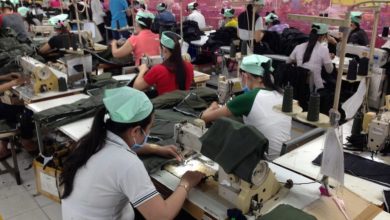
The textile industry, long associated with creativity and self-expression, is undergoing a pivotal transformation to address one of its most pressing challenges: waste. As one of the most resource-intensive industries, textiles contribute significantly to global pollution, with millions of tons of waste generated annually. However, there are innovative approaches to textile waste reduction that are paving the way to a more sustainable future and redefining how we produce and consume fashion.
9 Vegan Plant-based Leather Alternatives that are Revolutionising the Fashion Industry
The Textile Waste Problem
The fashion industry produces a staggering 92 million tons of textile waste yearly. This waste stems from overproduction, fast fashion’s disposable culture, and inefficient manufacturing processes. Compounding the problem, less than 1% of textiles are recycled into new clothing according to the Ellen MacArthur Foundation. This linear production model—take, make, dispose—is unsustainable and contributes to a massive environmental burden.
Beyond the visible waste, the environmental toll of textile production includes high water usage, excessive energy consumption, and pollution from dyes and synthetic materials. Overproduction, spurred by trends and seasonal collections, often leads to unsold inventory, which ends up in landfills or incinerators. For example, synthetic fabrics, which account for over 60% of global textile production, take hundreds of years to degrade and release microplastics into ecosystems throughout their lifecycle.
This growing crisis has catalyzed innovative solutions across the textile value chain, driving a shift toward circularity, efficiency, and creativity. Let’s explore the five most innovative approaches to reducing waste in the textile industry.

-
Circular Fashion Models
The circular fashion economy emphasizes designing out waste and keeping materials in use for as long as possible. This shift focuses on reducing waste and conserving resources through recycling, reusing, and remanufacturing strategies.
Recycling Innovations
Recycling technologies are evolving rapidly, enabling old textiles to be broken down into raw materials and reprocessed into new fabrics:
-
Renewcell
This company’s patented process transforms cotton and other natural fibers into a biodegradable slurry called Circulose, which can create high-quality fabrics. By converting worn-out garments into new materials, it closes the loop on textile production.
-
Worn Again Technologies
This innovation tackles one of the biggest recycling challenges: It separates polyester and cotton blends into reusable fibers and polymers, overcoming the difficulty of recycling mixed-fiber textiles.
Clothing Rental and Resale Platforms
Consumer behavior is a critical component of circularity. Platforms like Rent the Runway and ThredUp promote shared ownership and extend garment lifespans by facilitating rental or resale. This model reduces demand for new production and diverts garments from landfills. Rent the Runway, for instance, has demonstrated that renting a dress can save up to 24% of the garment’s carbon footprint compared to purchasing.
-
Zero-Waste Design
Traditional garment production wastes around 15% of fabric during cutting and sewing. Zero-waste design eliminates these inefficiencies by reimagining the pattern-making process and leveraging new technologies.
3 Reasons Sustainable Leather Is Slowly Taking Over the Fashion Industry
Innovative Pattern-Making
Designers like ZerowasteDaniel and Tonlé are revolutionizing this approach by using fabric scraps and crafting garments without generating leftover materials. Tonlé saves approximately 10,000 kilograms of fabric from going to landfills annually.
3D Knitting Technology
3D knitting represents a leap forward in sustainable production. This technique creates seamless garments tailored to exact specifications, eliminating fabric offcuts. Brands like Unspun use 3D knitting to produce made-to-order jeans, reducing waste while ensuring a better fit. The technology is also scalable, offering an efficient way to produce custom clothing without excess inventory.
-
Durability and Quality Assurance
Durability is one of the most effective ways to combat waste. When garments are made to last, fewer resources are used to replace them, and fewer items are discarded.
Advanced Fabric Blends
Combining recycled polyester with organic fibers creates long-lasting, eco-friendly textiles. These blends are designed to withstand wear and tear while maintaining their aesthetic appeal, making them a sustainable choice for manufacturers and consumers.
Quality Control Measures
Textile manufacturers can rely on third-party quality control experts to ensure their products meet strict durability standards. These professionals conduct comprehensive product inspections at various stages of production, identifying potential defects and ensuring consistency to ensure brands can minimize product failures and reduce waste caused by returns or unsellable goods.
Consumer Care Education
Brands can include detailed maintenance guides with their garments. These guides offer practical tips on washing, repairing, and storing clothing to prolong its lifespan. Educating consumers on proper garment care helps retain the quality of the clothing and fosters a sense of responsibility toward sustainable consumption.
-
Regenerative Materials and Biofabrication
Advances in materials science are redefining how textiles are produced, focusing on sustainability from the ground up.
Regenerative Agriculture
Initiatives like the Better Cotton Initiative (BCI) and Regenerative Organic Certified™ programs promote farming practices that improve soil health, reduce chemical use, and conserve water. These methods help ecosystems recover rather than deplete them, making cotton farming less resource-intensive.
Biofabricated Materials
-
Mycelium Leather
Produced from fungi, mycelium leather mimics traditional leather’s properties without environmental costs. Companies like MycoWorks are pioneering its use in fashion.
-
Bacterial Dyes
Traditional dyeing processes pollute water with toxic chemicals. Bioengineered dyes from companies like Colorifix use microorganisms to create vibrant colors without harmful residues.
-
Textile Waste-to-Energy & Industrial Symbiosis
Sustainable Certifications: Which Ones Matter for Fashion Brands?
Waste-to-Energy Programs
Non-recyclable textiles are increasingly being converted into biofuels or energy. Projects like the EU-funded RESYNTEX initiative use chemical recycling to break down textile waste into reusable chemicals, contributing to a closed-loop economy.
Industrial Symbiosis
Textile scraps can find new life in other industries. For example, shredded textiles can be used as insulation or stuffing for furniture, turning waste into a valuable resource. Aligning textile production with other industrial needs helps in minimizing waste streams.
Transforming the Future of Textiles: Collaboration and Innovation
The textile industry is redefining its practices, embracing innovation to reduce waste and promote sustainability. However, while advancements like circular models, zero-waste design, and advanced technologies are reshaping the landscape, challenges such as high costs, scalability, and shifting consumer behavior remain. This is why achieving successful progress requires collective action. Governments can implement policies to promote sustainable practices and support research into scalable solutions. Businesses must continue investing in innovative technologies and transparent operations, setting benchmarks for sustainability. Consumers, too, play a vital role by making conscious choices and advocating for responsible fashion.
This collaborative approach highlights the potential for a future where sustainability is integrated into the textile industry. By turning waste into opportunities for transformation, the textile sector demonstrates that fashion can be stylish and responsible. Together, these efforts create a harmonious coexistence of style and sustainability, proving that waste reduction can become the norm rather than the exception.
The 10-Step Guide to Creating A Sustainable Wardrobe (on a budget)