Explore how sustainable babywearing supports lower-waste parenting through durable baby carriers, reduced gear consumption, and more intentional family lifestyles.
Modern parenting comes with endless products. New parents face constant pressure to buy more every month. Social media pushes another stroller, another swing, another trendy gadget almost daily. Baby gear piles up quickly.
Many families purchase:
- Multiple strollers
- Battery-powered swings
- Plastic feeding systems
- Fast-fashion baby clothing
- Disposable changing products
- Bulky travel equipment
Several items barely last one year before replacement happens again. Parents eventually notice something frustrating. Half the products consume money and storage space without improving daily life much.
This growing consumption problem explains why sustainable babywearing continues to gain attention among modern families. Babywearing simplifies parenting while reducing unnecessary purchases at the same time.
Modern Parenting Encourages Constant Consumption
Baby product marketing works aggressively today. Brands convince parents they need specialized gear for every small situation. One stroller for jogging. Another stroller for travel. And another stroller for city sidewalks. The cycle keeps growing.

Fast-fashion baby products add another issue. Cheap fabrics wear down quickly. Broken zippers and stretched seams send products into landfills faster than expected.
Large plastic baby containers also dominate the industry:
- Swings
- Seats
- Loungers
- Activity stations
- Walkers
Many occupy huge amounts of space while serving short-term use periods. Parents spend thousands without realizing how temporary much of the gear truly is. Babywearing Reduces the Need for Excess Gear
A well-made baby carrier replaces several products immediately. Parents using an ergonomic baby carrier rely less on oversized strollers during daily errands. Some families stop using shopping carts completely for quick grocery trips.
Public transportation becomes easier, too. Travel systems no longer control every outing. Families navigate narrow sidewalks, busy airports, and crowded cafés more smoothly with babywearing. This lifestyle naturally reduces consumption.
One thoughtfully made carrier can support:
- Newborn stages
- Toddler years
- Indoor routines
- Outdoor walks
- Travel days
- Daily errands
Fewer purchases reduce household waste significantly over time.
Sustainable Babywearing Supports Longer Product Life
Durability changes the environmental impact completely. Cheap synthetic carriers wear down quickly under daily use. Buckles crack. Foam padding compresses unevenly. Polyester fabric traps heat and weakens gradually after repeated washing.
Premium natural fibers behave differently. Hemp and linen soften through regular use instead of degrading rapidly. Supportive weaving structures maintain usability for years when cared for properly. This longer lifespan matters.
Families pass high-quality carriers between siblings, relatives, and friends instead of throwing them away after one child. This cycle supports sustainable parenting products far better than the constant replacement culture.
Natural Fibers Reduce Environmental Strain
Material choice changes environmental impact long before manufacturing even starts. Synthetic baby products rely heavily on petroleum-based production. Polyester dominates much of the affordable baby carrier market because it is cheap to manufacture on a large scale. Natural fibers support lower-impact alternatives.
Hemp offers several environmental advantages:
- Lower water consumption
- Reduced pesticide dependency
- Faster crop growth
- Better soil regeneration potential
Linen also supports more responsible textile production compared to synthetic fabrics. Parents paying attention to sustainability now examine these details much more closely than previous generations did. Product lifespan is also important. Fabric sourcing also plays a big role.
Less Gear Means Less Household Stress
Minimalist parenting supports mental clarity, too. Large baby products quickly overwhelm homes:
- Oversized strollers
- Plastic activity centers
- Folding swings
- Storage bins full of accessories
Daily cleanup becomes exhausting. Babywearing simplifies household routines because one compact carrier replaces multiple bulky systems. Parents gain back floor space, storage space, and mental breathing room.
A simple ergonomic baby carrier handles many situations without needing constant setup or charging. This simplicity supports more mindful parenting overall.
Fast-Fashion Baby Gear Creates Waste Quickly
Baby clothing trends change rapidly now. Seasonal collections flood online stores constantly. Parents feel pressure to keep buying updated styles despite short usage periods.
Fast-fashion baby gear follows the same pattern. Cheap carriers marketed heavily online sometimes prioritize aesthetics over long-term usability. Thin fabrics lose support quickly. Low-cost stitching weakens after repeated washing.
Parents replace those products far sooner than expected. High-quality babywearing products work differently. Thoughtfully made carriers improve through regular use instead of declining rapidly. Softened linen and hemp fabrics become more adaptable over time while preserving structural support. Longer usability reduces landfill waste directly.
Ethical Production Matters More Than Ever
Parents today ask harder questions before purchasing products:
- Who made this?
- Where was it produced?
- How long will it last?
- What materials were used?
- Can this support multiple children?
These concerns explain the rise of ethical baby brands across the parenting industry. Families want transparency now.
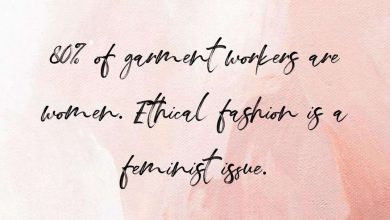
Mass-produced baby gear manufactured through unclear supply chains creates growing discomfort for many consumers. Ethical manufacturing standards influence buying decisions far more than in previous years. Parents care about labor practices alongside product quality today.
Eco-friendly brands of natural baby products for your newborn [Ultimate Guide]
Hope&Plum Focuses on Thoughtful Production
Hope&plum entered the babywearing space with a noticeably different approach. Instead of chasing disposable trends, the brand focused on durable carriers built around long-term usability and sustainability. Their products center heavily around:
- Hemp fabrics
- Linen textiles
- Ethical manufacturing
- Long-lasting construction
- Lower-waste production values
The company also manufactures locally inside the United States, which supports closer production oversight and improved transparency. Parents researching eco friendly baby carriers appreciate these details because they align with practical sustainability instead of surface-level marketing.
The fabrics soften naturally through regular use while maintaining support across different baby stages. This longer product lifespan reduces replacement cycles significantly.
Sustainable Parenting Starts With Smaller Decisions
Sustainability does not require perfection. Small parenting decisions still reduce environmental strain meaningfully:
- Buying fewer products
- Choosing long-lasting materials
- Reusing baby gear
- Supporting ethical manufacturing
- Avoiding disposable trends
Babywearing fits naturally into this mindset. Families using one well-made carrier daily consume fewer unnecessary products overall. They also rely less on oversized transportation systems during routine outings. This approach supports simpler parenting, too.
Babywearing Encourages More Mindful Daily Routines
Many parents describe babywearing as grounding during chaotic days. Your hands are always free. Daily tasks flow more naturally. Babies stay close during walks, errands, and household routines without constant equipment adjustments. Large gear systems sometimes interrupt those moments instead:
- Folding strollers repeatedly
- Loading oversized trunks
- Managing crowded walkways
- Charging battery-powered products
A thoughtfully designed ergonomic baby carrier simplifies those routines considerably. Simple systems support calmer decision-making around consumption, too.
Sustainability Also Saves Money Long-Term
Cheap products sometimes cost more eventually. Low-quality baby gear breaks earlier, forcing families into repeated replacement cycles. Trend-based purchases also lose usefulness quickly.
Durable baby carriers work differently. One premium carrier lasting several years reduces future purchases dramatically. Some families use the same sling or structured carrier across multiple children successfully.
Secondhand resale markets also stay healthier for well-made babywearing products. Parents recover more value later instead of discarding worn-out gear.
Why This Conversation Matters Right Now
Parenting culture changes constantly. Consumption levels continue to increase across many areas of family life. At the same time, parents now recognize the environmental and financial pressure connected to constant purchasing.
Sustainable babywearing offers a practical alternative. The goal is not perfection. The goal is thoughtful choices that reduce waste while improving daily life at the same time. Babywearing supports that beautifully.
Final Thoughts
Modern parenting does not need endless products to work well. Large strollers, disposable systems, and fast-fashion baby gear increase household clutter faster than many families expect.
A thoughtfully made ergonomic baby carrier simplifies daily routines while supporting lower-impact living.
Brands like Hope&plum continue gaining attention because parents now value durability, ethical production, and mindful consumption far more than temporary trends.
Long-lasting, eco friendly baby carriers reduce waste, support simpler travel, and encourage fewer unnecessary purchases over time.
Small shifts toward sustainable parenting products can change household habits significantly. Babywearing simply offers one of the most practical places to begin.